
Sewing Supplies Guide & Essentials
Complete guide to essential sewing supplies, tools, and notions for every sewing project.
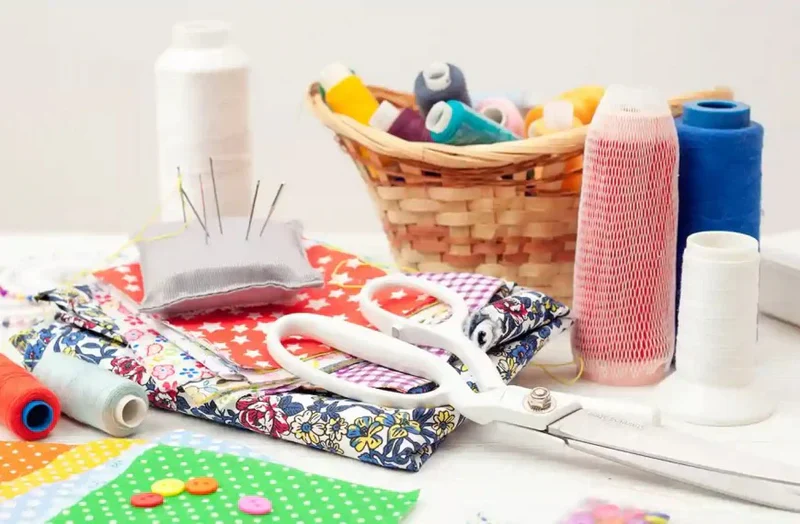
Having the right Joann sewing supplies makes all the difference between frustration and fun! Whether you’re just starting your sewing journey or expanding your toolkit, knowing which supplies you actually need saves money and creates better results.
This guide walks you through every essential sewing supply, from the absolute must-haves to helpful extras that make sewing easier. We’ll cover what each tool does, how to choose quality supplies, and which items are worth the investment.
Must-Have Sewing Supplies
These are the absolute essentials you need to start sewing. You can’t complete most projects without these basic Joann sewing supplies.
Sewing Machine Needles
The Most Important Supply
Why They Matter: Wrong needle = skipped stitches, broken thread, and damaged fabric
Types You Need:
- Universal Needles (80/12): For most woven fabrics like cotton
- Ballpoint Needles (80/12): For knits and stretchy fabrics
- Heavy-Duty Needles (100/16): For thick fabrics like denim and canvas
- Microtex/Sharp Needles: For delicate fabrics and precise sewing
Pro Tip: Change your needle after every project or 8 hours of sewing—dull needles cause most sewing problems!
Budget: $3-6 per pack of 5 needles
Thread
Quality Thread Makes a Difference
Best All-Purpose: Polyester thread works for almost everything
Thread Types:
- All-Purpose Polyester: Strong, colorfast, works on all fabrics—your go-to choice
- Cotton Thread: Best for quilting and natural fibers
- Heavy-Duty Thread: For thick fabrics and topstitching
- Invisible Thread: Clear thread for hems and appliqué
Colors to Start: White, black, gray, navy, and beige cover most projects
Budget: $2-4 per spool for quality thread
Warning: Cheap thread breaks, tangles, and causes frustration—invest in good thread from Joann!
Fabric Scissors
Sharp Scissors Are Essential
What You Need: 8-10 inch fabric shears with sharp blades
The Golden Rule: NEVER use fabric scissors on paper, cardboard, or anything but fabric—it dulls them instantly
Features to Look For:
- Comfortable handles that fit your hand
- Sharp blades that cut to the tip
- Heavy enough to cut through multiple layers
- Right or left-handed options available
Budget: $15-30 for quality scissors that last years
Bonus Tool: Get small thread snips ($5-10) for trimming threads at the machine
Seam Ripper
Your Best Friend When Mistakes Happen
What It Does: Removes stitches without damaging fabric
How to Use It: Slide under stitches and cut carefully—works way better than scissors
Why You Need It: Everyone makes mistakes! A seam ripper lets you fix them easily
Pro Tip: The little red ball protects fabric while the sharp point cuts thread
Budget: $3-5 for a good quality seam ripper
Pins and Pin Cushion
Hold Fabric Together While Sewing
Best Type: Long straight pins with round glass or plastic heads
Pin Types:
- Glass Head Pins: Won’t melt if you accidentally iron them
- Flat Flower Head Pins: Easy to see and grab
- Ballpoint Pins: For knit fabrics without snagging
- Quilting Pins: Extra long for thick layers
Pin Cushion Options: Wrist pin cushion, tomato pin cushion, or magnetic pin holder
Budget: $5-10 for a box of 100+ pins, $3-8 for pin cushion
Measuring Tape
Accurate Measurements = Better Results
What to Get: Flexible measuring tape, 60 inches long, with inches and centimeters
Features:
- Numbers on both sides for easy reading
- Metal tips that won’t fray
- Retracts into case or has clip
- Clear, easy-to-read markings
Care Tip: Don’t stretch it too tight or leave it stretched—it loses accuracy
Budget: $3-6 for quality measuring tape
Fabric Marking Tools
Mark Fabric Without Permanent Damage
Options at Joann:
- Fabric Chalk: Brushes off easily, comes in pencil or triangle form
- Water-Soluble Markers: Disappears with water or air
- Heat-Erasable Pens: Vanishes with iron heat
- Tailor’s Chalk: Traditional triangle chalk that lasts longer
Test First: Always test markers on fabric scraps before using on your project
Budget: $3-7 per marking tool
Iron and Ironing Board
Pressing Makes Projects Look Professional
Why It’s Essential: Pressing seams as you sew makes everything lie flat and look polished
Iron Features:
- Steam function for better pressing
- Variable heat settings for different fabrics
- Auto shut-off for safety
- Pointed tip reaches tight corners
Ironing Board: Standard size or tabletop version for small spaces
Budget: $20-60 for iron, $20-40 for ironing board
Rotary Cutter and Mat
Cut Straight Lines Quickly and Accurately
What They Are: Rolling blade cutter used with self-healing cutting mat
Why They’re Better: Faster and more accurate than scissors for straight cuts
Sizes:
- 45mm Rotary Cutter: Most versatile size for general sewing
- 18×24″ Cutting Mat: Good starter size, marked with grid lines
Bonus: Use with quilting ruler for perfectly straight cuts
Budget: $10-20 for cutter, $20-35 for mat
Safety: Close blade cover immediately after every cut—they’re very sharp!
Nice-to-Have Sewing Supplies
These Joann sewing supplies aren’t absolutely essential, but they make sewing much easier and more enjoyable!
Pattern Weights
Hold Patterns Without Pin Holes
What They Do: Keep pattern pieces flat while cutting without marking fabric with pins
DIY Option: Use large washers, soup cans, or make your own from fabric scraps filled with rice
Budget: $8-15 for set of 4-6 weights
Seam Gauge
Measure Small Spaces Accurately
What It Is: Small 6-inch ruler with sliding marker
Uses: Measure hem depths, buttonholes, pleats, and seam allowances quickly
Budget: $3-6
Pinking Shears
Zigzag Edge Prevents Fraying
What They Do: Cut fabric with zigzag edge that resists fraying
Perfect For: Finishing seams when you don’t have a serger, craft projects, decorative edges
Budget: $12-25
Bodkin or Safety Pin
Thread Elastic and Drawstrings
What It Does: Helps pull elastic or ribbon through casings
Types: Bodkin (special tool) or large safety pin works just as well
Budget: $2-5 for bodkin, or use safety pins you already have
Fabric Clips
Alternative to Pins
Best For: Thick fabrics, vinyl, leather, or anywhere pins would leave holes
Advantages: No holes in fabric, easier to position, won’t poke you
Budget: $8-15 for pack of 20-50 clips
Thimble
Protect Your Fingers
When to Use: Hand sewing through thick fabric or when sewing for long periods
Types: Metal thimbles, leather thimbles, rubber finger grips
Budget: $2-8
Needle Threader
Makes Threading Needles Easy
Who Needs It: Anyone with vision challenges or shaky hands
Types: Wire loop threaders or automatic needle threaders
Budget: $2-5
Button Foot and Zipper Foot
Special Presser Feet for Specific Tasks
Zipper Foot: Sews close to zipper teeth for professional installation
Button Foot: Attaches buttons by machine quickly and securely
Usually Included: Most sewing machines come with these, or buy separately
Budget: $5-15 each if buying separately
Advanced Sewing Supplies
These tools help experienced sewers work faster and achieve more professional results.
Walking Foot
Feeds Layers Evenly
What It Does: Feeds top and bottom fabric layers at same speed—prevents shifting
Best For: Quilting, matching stripes or plaids, sewing slippery fabrics, thick layers
Must Check: Make sure it’s compatible with your sewing machine brand
Budget: $30-60
Serger/Overlock Machine
Professional Seam Finishing
What It Does: Trims, sews, and finishes seam edges in one step
Uses: Finish seams, sew knits, create rolled hems, decorative edges
Not Essential: Regular sewing machine works fine, but serger adds professional touch
Budget: $200-800 depending on features
Tailor’s Ham and Sleeve Roll
Press Curved Seams
Tailor’s Ham: Rounded cushion for pressing curves, darts, and shaped seams
Sleeve Roll: Long narrow cushion for pressing sleeves and narrow tubes
Best For: Garment sewing where shape matters
Budget: $15-25 each
Point Turner
Push Out Perfect Corners
What It Does: Pokes out corners on pillows, collars, and bags without poking holes
DIY Option: Use chopstick or knitting needle (carefully!)
Budget: $3-6
Pattern Paper and Tracing Wheel
Copy and Preserve Patterns
Why Use Them: Trace patterns to save originals, make size adjustments
Pattern Paper: Transparent or dotted paper shows pattern through it
Tracing Wheel: Rolls over pattern lines to transfer markings
Budget: $8-15 for paper roll, $5-10 for tracing wheel
Dress Form
Fit Garments As You Sew
What It Is: Mannequin in your size for fitting clothes
Best For: People who sew lots of garments and want perfect fit
Types: Adjustable forms or custom-sized forms
Budget: $50-300 depending on adjustability and quality
Sewing Notions and Fasteners
These small items complete your projects and add professional finishing touches.
Elastic
Types of Elastic at Joann
Braided Elastic: Narrows when stretched, good for casings (waistbands, sleeves)
Knit Elastic: Soft and comfortable, doesn’t narrow, best for waistbands
Fold-Over Elastic (FOE): Decorative edge finish for necklines and armholes
Clear Elastic: Invisible, used for stabilizing seams
Widths: 1/4″ to 2″ wide depending on use
Budget: $2-6 per yard depending on width and type
Zippers
Zipper Options
All-Purpose Zippers: Standard zippers in set lengths (7″, 9″, 12″, etc.)
Invisible Zippers: Hide in seam for clean look
Separating Zippers: Open completely at bottom (jackets, hoodies)
Metal vs. Plastic: Metal more durable, plastic more affordable
Pro Tip: Buy zipper slightly longer than needed—easier to install
Budget: $2-8 each depending on length and type
Buttons
Functional and Decorative
Types: Flat buttons, shank buttons, snap buttons, decorative buttons
Materials: Plastic, metal, wood, shell, fabric-covered
Sizes: Measured in lines or millimeters—bigger number = bigger button
Budget: $2-8 per card depending on style and quantity
Snaps and Hook & Eye Closures
Hidden Closures
Sew-On Snaps: Small hidden closures for light to medium fabrics
No-Sew Snaps: Install with snap pliers (great for bags and crafts)
Hook & Eye: Traditional closure for waistbands and back zippers
Budget: $2-5 per card
Velcro/Hook and Loop Tape
Easy Closures
Types: Sew-on, stick-on, or iron-on velcro
Best For: Kids’ clothes, bags, cushion covers, crafts
Comes In: Strips, dots, or by-the-yard tape
Budget: $3-10 depending on length
Bias Tape and Binding
Finish Raw Edges
What It Is: Folded fabric strips that wrap around edges
Uses: Quilt binding, armhole finishing, hem edges, decorative trim
Types: Single-fold, double-fold, extra-wide
Budget: $2-5 per package (3-4 yards)
Interfacing
Add Structure to Fabric
What It Does: Stiffens fabric for collars, cuffs, waistbands, bag bodies
Types:
- Fusible Interfacing: Irons onto fabric (easiest to use)
- Sew-In Interfacing: Must be sewn into seams
- Lightweight to Heavy: Choose weight based on fabric and project
Budget: $3-8 per yard
Seam Binding and Hem Tape
Quick Hem Solutions
Iron-On Hem Tape: No-sew hems that hold with heat
Seam Binding: Covers raw edges on inside of garments
Perfect For: Quick repairs, temporary hems, craft projects
Budget: $2-4 per package
Fabric-Specific Sewing Supplies
Different fabrics need different tools for best results.
For Cotton and Quilting
Cotton Quilting Essentials
- Quilting Ruler: Clear acrylic ruler with grid (6″x24″ most useful)
- Quilting Pins: Extra long pins (1.75″) for thick layers
- Walking Foot: Keeps layers from shifting
- Cotton Thread: Better for cotton fabric and traditional quilts
- Spray Baste: Temporary adhesive holds quilt layers
For Knit and Stretch Fabrics
Working with Stretch
- Ballpoint Needles: Slip between fibers without snagging
- Stretch Needles: Special scarf prevents skipped stitches
- Twin Needles: Create professional-looking hems
- Polyester Thread: Has stretch to match fabric
- Walking Foot: Prevents fabric from stretching while sewing
For Heavy Fabrics
Denim, Canvas, and Upholstery
- Denim/Jeans Needles (100/16 or 110/18): Extra sharp point penetrates thick fabric
- Heavy-Duty Thread: Won’t break under stress
- Jean-A-Ma-Jig: Levels presser foot over thick seams
- Walking Foot: Moves heavy fabric through machine
- Fabric Clips: Hold thick layers better than pins
Working with: Canvas fabric and upholstery fabric requires these heavy-duty tools
For Delicate Fabrics
Silk, Satin, and Chiffon
- Microtex/Sharp Needles (60/8 or 70/10): Small, sharp point for fine fabrics
- Extra-Fine Pins: Won’t leave holes in delicate fabric
- Fine Thread (50wt or 60wt): Matches delicate fabric weight
- Tissue Paper: Sew through paper with fabric to prevent puckering
- Sharp Scissors: Clean cuts essential for delicate fabrics
Organizing Sewing Supplies
Keep your Joann sewing supplies organized so you can find what you need quickly!
Thread Storage
Keep Thread Organized
Options: Thread racks, drawer organizers, clear boxes, or pegboard displays
Pro Tip: Organize by color or by project type for easy access
Budget: $10-50 depending on capacity
Needle and Notion Storage
Small Parts Organization
Best Solutions:
- Clear plastic boxes with dividers for buttons, snaps, elastic
- Magnetic strips or containers for pins and needles
- Small drawer units for sorted notions
- Labeled ziplock bags in larger containers
- Tackle boxes work great for small sewing supplies
Tool Storage
Keep Tools Accessible
Ideas:
- Wall-mounted pegboard for scissors and rulers
- Rotating caddy holds frequently-used tools
- Mason jars for vertical storage of scissors and markers
- Drawer dividers keep tools separated and protected
- Rolling cart keeps everything mobile
Organization Tip
Store supplies near your sewing machine for easy access. Keep frequently-used items like scissors, seam ripper, and pins within arm’s reach. Less-used items can go in drawers or cabinets.
Shopping for Sewing Supplies
Smart shopping helps you build your collection without breaking the bank.
Budget-Friendly Shopping Tips
Save Money at Joann
- Use Coupons: Joann always has coupons—check website or app before shopping
- Watch for Sales: Notions go on sale regularly, especially seasonal items
- Buy Quality Basics: Invest in good scissors, needles, and thread—cheap versions frustrate
- Skip Cheap Tools: Dollar store scissors and thread cause more problems than they’re worth
- Build Gradually: Start with essentials, add nice-to-haves as budget allows
- Buy in Sets: Needle assortment packs and thread sets often cheaper than individual
- Clearance Section: Check for discontinued notions at great prices
Beginner Supply Budget
Starter Kit Essentials
Absolute Must-Haves ($50-100):
- Needles (universal and ballpoint): $6-12
- Thread (5-6 basic colors): $10-15
- Fabric scissors: $15-25
- Seam ripper: $3-5
- Pins and pin cushion: $8-12
- Measuring tape: $3-5
- Fabric markers: $5-8
Next Level ($100-150 more): Rotary cutter and mat, iron, more thread colors, specialty needles
Advanced Setup ($200+ more): Walking foot, specialty feet, serger, dress form
Quality Indicators
How to Spot Quality Supplies
Scissors: Should feel heavy and balanced, cut smoothly to tips, comfortable handles
Thread: Name brands don’t break constantly, wind evenly, don’t shed lint
Needles: Come in proper packaging with size clearly marked
Measuring Tape: Metal tips, clear markings, doesn’t stretch
Rotary Cutters: Smooth rolling action, secure blade cover, comfortable grip
Where to Shop
Best Places for Sewing Supplies
Joann Fabric Stores: Huge selection, helpful staff, regular sales, coupons available
Online Retailers: Compare prices, read reviews, shop from home
Sewing Machine Dealers: Quality presser feet and machine-specific accessories
Craft Stores: Basic supplies and notions
Amazon: Convenient but check reviews carefully
Estate Sales: Great deals on vintage tools and supplies
Caring for Your Sewing Supplies
Proper care keeps your tools working well and lasting longer.
Scissor Care
Keep Scissors Sharp
- Never cut paper or anything except fabric
- Wipe blades after use to remove lint
- Store in sheath or protective cover
- Get professionally sharpened every 1-2 years
- Tighten screw if blades feel loose
Needle Maintenance
When to Replace Needles
Replace When:
- After every project or 8 hours of sewing
- When you hear popping sounds
- If stitches skip or look uneven
- After sewing through pins (even if it seems fine)
- When thread keeps breaking
Storage: Keep in original packaging or needle case labeled by type and size
Iron Care
Keep Your Iron Working
- Empty water after each use to prevent mineral buildup
- Clean soleplate with damp cloth when cool
- Use distilled water to prevent mineral deposits
- Never iron over pins (damages soleplate)
- Deep clean with vinegar solution monthly if you use steam
Rotary Cutter Maintenance
Extend Blade Life
- Always close blade guard after cutting
- Replace blade when it starts skipping threads
- Clean lint from blade area regularly
- Only cut on self-healing mat, never glass or wood
- Store with blade closed in safe place
Sewing Supply Tips & Tricks
Expert Supply Tips
- Label Everything: Mark needle types, thread weights, and supply boxes clearly
- Keep Backup Needles: Always have extras—they break at worst times
- Test Before Projects: Try new supplies on scraps before using on actual projects
- Match Thread to Fabric: Polyester for synthetics, cotton for natural fibers
- Invest in Good Scissors: They last decades if cared for properly
- Buy Quality Once: Good tools cost more upfront but save frustration
- Keep Tools Clean: Lint and dust affect performance—clean regularly
- Organize by Project: Keep related supplies together in project bags
Common Supply Problems
Thread Keeps Breaking
Causes: Dull needle, old thread, wrong thread type, tension too tight
Solutions: Change needle, use fresh thread, loosen tension, match thread to fabric
Scissors Won’t Cut Cleanly
Causes: Dull blades, loose screw, cutting non-fabric materials
Solutions: Get sharpened professionally, tighten screw, use only on fabric
Pins Keep Falling Out
Causes: Pins too short, fabric too thick, not pinning often enough
Solutions: Use longer quilting pins, pin every 2-3 inches, use fabric clips instead
Measuring Tape Stretched Out
Causes: Pulling too hard, leaving stretched, poor quality
Solutions: Replace with quality tape, handle gently, don’t leave weighted down
Start Building Your Sewing Kit
Having the right Joann sewing supplies makes every project easier and more enjoyable. Start with the essentials—needles, thread, scissors, pins, measuring tape, and marking tools. These basics handle most projects and build your foundation.
As you sew more, add nice-to-have supplies that match your interests. Focus on quality for frequently-used tools like scissors and needles. These investments pay off in years of reliable service and better results.
Ready to stock your sewing space? Browse our fabric collection to match your new supplies, explore sewing machines if you need one, and check out project ideas to use your supplies. New to sewing? Start with our beginner sewing guide. Looking for specific fabrics? Browse cotton, fleece, and canvas options.
Happy sewing, and enjoy building your perfect sewing supply collection!