
Fabric Paint Guide & Techniques
Complete guide to fabric paint for creating permanent designs on clothing, home décor, and craft projects.
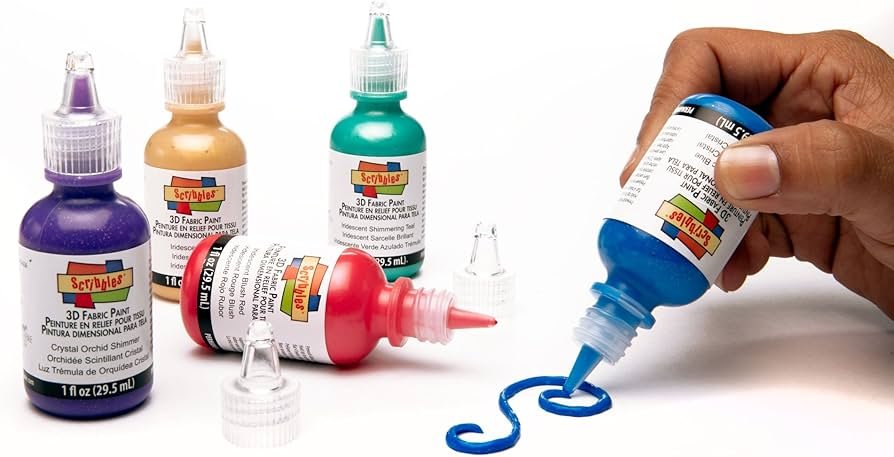
Joann fabric paint transforms plain fabric into colorful, personalized creations! This permanent paint is specially formulated to stay flexible on fabric, surviving countless washes while maintaining vibrant colors and soft hand feel.
Whether you’re painting custom t-shirts, decorating tote bags, or creating wearable art, fabric paint offers unlimited creative possibilities. Unlike regular craft paint that cracks and peels, quality fabric paint from Joann moves with the fabric and lasts for years.
What is Fabric Paint?
Fabric paint is a specialized acrylic-based paint designed to bond permanently with textile fibers. It stays flexible after drying so it won’t crack when the fabric bends, stretches, or gets washed.
How Fabric Paint Works
The special formula makes fabric paint different from regular paint:
- Flexible Binders: Keep paint soft and pliable on fabric
- Textile Pigments: Colors that bond chemically with fabric fibers
- Water-Based Formula: Easy cleanup with soap and water (before drying)
- Heat-Activated: Becomes permanent and washable after heat-setting
- Soft Hand: Doesn’t stiffen fabric like regular paint would
Fabric Paint vs. Regular Acrylic Paint
Why Regular Paint Doesn’t Work
Regular Acrylic Paint: Stiffens fabric, cracks when bent, washes out or flakes off, uncomfortable to wear
Fabric Paint: Stays flexible, moves with fabric, permanently washable, comfortable against skin
The Result: Regular paint ruins in the wash—fabric paint lasts for years
Fabric Paint vs. Fabric Markers
Fabric Paint: Covers large areas, thicker coverage, works on dark colors, creates texture
Fabric Markers: Better for details and writing, less mess, more precise, no brushes needed
Best Approach: Use both together—paint for backgrounds, markers for details
Types of Fabric Paint
Different fabric paint types work better for different projects and techniques. Joann carries comprehensive selections for every need.
Standard Fabric Paint
All-Purpose Textile Paint
What It Is: Classic fabric paint for general use on light-colored fabrics
Characteristics:
- Translucent to semi-opaque coverage
- Works best on white and light colors
- Wide color selection available
- Soft hand feel after drying
- Most affordable option
- Easy to mix custom colors
Best For: T-shirts, tote bags, pillows, canvas projects, general crafts
Popular Brands at Joann: Tulip, Plaid, DecoArt, Delta
Opaque Fabric Paint
For Dark Fabrics
What Makes It Special: Full coverage in fewer coats, shows up on dark colors
Characteristics:
- Thick, creamy consistency
- One to two coats for solid coverage
- Works on black and dark fabrics
- Slightly stiffer than regular paint
- More expensive than standard paint
Best For: Black t-shirts, navy hoodies, dark denim, colored fabrics
Note: Essential if working on dark colors—regular paint won’t show
Dimensional Fabric Paint
Puffy, Raised Designs
What It Does: Creates raised, 3D lines and designs that stand up from fabric
Application: Comes in squeeze bottles with fine tips for precision
Uses:
- Outlining designs
- Adding texture and dimension
- Creating puffy letters
- Decorative accents
- Kids love the 3D effect!
Drying: Takes longer to dry than regular paint, remains slightly raised
Popular With: Kids’ clothing, craft projects, adding accents to painted designs
Metallic and Glitter Fabric Paint
Sparkle and Shine
Special Effects: Metallic sheen or glitter particles mixed into paint
Colors Available: Gold, silver, bronze, copper, plus multi-color glitters
Best For:
- Holiday projects
- Party wear
- Accent details
- Glamorous designs
- Special occasion clothing
Consideration: Slightly stiffer than regular paint, may require extra coats
Neon and Glow-in-the-Dark Paint
Bold, Bright, and Glowing
Neon Paint: Ultra-bright fluorescent colors perfect for bold designs
Glow-in-the-Dark: Charges in light, glows in darkness
Perfect For:
- Kids’ projects
- Party clothing
- Safety gear
- Fun novelty items
- Stage costumes
Works Best On: White or light fabrics show brightest colors
Puff Paint
Expands When Heated
What Makes It Unique: Paint puffs up and expands when heat is applied
How It Works: Apply paint, let dry, then heat with heat gun or iron to puff up
Texture: Creates soft, pillowy, raised designs
Popular Uses: Kids’ clothing, craft projects, textured designs, novelty items
Fun Factor: Kids love watching it puff up!
Fabric Spray Paint
Airbrush and Spray Effects
What It Is: Fabric paint in aerosol cans for spray application
Advantages:
- Covers large areas quickly
- Creates gradients and ombre effects
- No brush strokes
- Works with stencils beautifully
- Professional-looking finish
Best For: Large projects, backgrounds, tie-dye effects, stencil designs
Important: Use outdoors or in well-ventilated area
Fabric Dye Paint
Thinner, More Liquid
Consistency: Thinner than regular paint, more like dye
Effect: Soaks into fabric rather than sitting on top
Advantages:
- Maintains fabric drape and softness
- No stiff feeling
- Blends and flows like watercolor
- Creates subtle effects
Best For: Garments, flowing designs, watercolor effects, tie-dye looks
How to Choose Fabric Paint
Selecting the right Joann fabric paint depends on your project, fabric type, and desired effect.
Consider Your Fabric
Natural Fiber Fabrics
Best Paints: All fabric paints work well on natural fibers
Fabrics: Cotton, linen, muslin, canvas
Why: Paint absorbs into fibers beautifully, creates lasting bond
Coverage: May need 1-2 coats depending on paint type
Synthetic Fabrics
Best Paints: Look for labels that say “works on polyester”
Fabrics: Polyester, nylon, acrylic, blends
Challenge: Some paints don’t bond as well to synthetic fibers
Test First: Always test on inconspicuous area
Stretchy Fabrics
Best Paints: Extra-flexible fabric paint or fabric medium mixed with regular paint
Fabrics: Jersey knits, spandex, athletic wear, t-shirt material
Why Special: Regular paint may crack when fabric stretches
Add Flexibility: Mix fabric medium into paint for extra stretch
Dark Fabrics
Best Paints: Opaque fabric paint specifically formulated for dark colors
Why: Regular paint is translucent and won’t show on dark backgrounds
Alternative: Use multiple coats of regular paint (time-consuming)
Test: Check color visibility on fabric scrap before starting
Match Paint to Project
T-Shirt Designs
Recommended: Standard fabric paint for light shirts, opaque for dark shirts
Techniques: Stenciling, hand-painting, stamping, screen printing
Tip: Place cardboard inside shirt to prevent bleed-through
Popular Ideas: Custom graphics, band names, quotes, artwork
Tote Bags and Canvas
Recommended: Any fabric paint works great on canvas
Coverage: Heavy canvas may need 2-3 coats
Tip: Canvas is very absorbent—buy extra paint
Ideas: Bold graphics, quotes, florals, geometric designs
Kids’ Clothing and Projects
Recommended: Non-toxic, washable fabric paint
Fun Options: Dimensional paint, puffy paint, glitter paint
Safety: Choose certified non-toxic paints for children
Ideas: Handprints, footprints, simple shapes, colorful designs
Pillows and Home Décor
Recommended: Any fabric paint—home décor washes less often
Coverage: Can use multiple coats for richer colors
Techniques: Stenciling, freehand painting, stamps
Ideas: Quotes, patterns, seasonal designs, family names
Shoes and Accessories
Recommended: Fabric paint mixed with fabric medium for flexibility
Works On: Canvas shoes, fabric belts, hats, bags
Prep: Clean surface thoroughly before painting
Seal: Use fabric sealant spray for extra protection
How to Use Fabric Paint
Getting professional results with Joann fabric paint requires proper preparation and technique.
Preparing Your Fabric
Before You Paint
Step 1: Wash and dry fabric to remove sizing and oils
Step 2: Iron fabric completely smooth—wrinkles show through paint
Step 3: Place cardboard or plastic sheet inside/under fabric
Step 4: Stretch fabric taut—tape edges to table if needed
Step 5: Plan your design and gather all supplies
Why: Proper prep prevents paint from bleeding through and ensures even coverage
Essential Painting Supplies
What You Need
- Fabric Paint: Colors needed for your project
- Brushes: Various sizes—foam brushes for coverage, fine brushes for details
- Palette: Paper plate or palette for mixing colors
- Water Container: For rinsing brushes
- Paper Towels: For blotting and cleanup
- Cardboard: Insert inside items to prevent bleed-through
- Stencils (optional): For crisp designs
- Pencil or Chalk: Sketch design lightly first
Basic Painting Techniques
Brush Painting
Technique: Apply paint with brushes in smooth, even strokes
Coverage: Use foam brush for large areas, fine brush for details
Layers: Let each coat dry completely before adding another
Tip: Don’t overwork paint—let it dry between layers
Stenciling
Technique: Hold or tape stencil firmly to fabric, dab paint through openings
Best Tool: Stencil brush or foam pouncer works better than regular brush
Motion: Up-and-down dabbing motion prevents paint from seeping under stencil
Tip: Use very little paint on brush—too much causes bleeding
Stamping
Technique: Apply paint to stamp, press firmly onto fabric
Paint Application: Use foam brush or roller to coat stamp evenly
Pressure: Press firmly and evenly, then lift straight up
DIY Stamps: Make stamps from sponges, potatoes, or foam sheets
Freehand Painting
Technique: Paint directly on fabric like painting on canvas
Sketch First: Draw design lightly with fabric pencil or chalk
Start Light: Easier to add more paint than remove excess
Build Layers: Add depth with multiple thin coats
Special Techniques
Color Mixing
Custom Colors: Mix Joann fabric paints together to create unique shades
Start Small: Mix test batches before making large quantities
Keep Track: Write down ratios if you need to recreate color
Lighten: Add white paint to lighten colors
Darken: Add black sparingly—a little goes a long way
Blending and Gradients
Wet Blending: Apply two colors next to each other while wet, blend where they meet
Ombre Effect: Gradually transition from dark to light or one color to another
Spray Technique: Use spray paint for smoothest gradients
Tip: Work quickly while paint is still wet
Tie-Dye with Paint
Method: Dilute fabric paint with water, apply to tied or scrunched fabric
Tying: Use rubber bands to create patterns
Application: Squirt or pour diluted paint onto fabric
Vs Traditional Dye: Less mess, more control, faster process
Heat-Setting Your Design
Make It Permanent
Why It’s Critical: Heat-setting makes paint permanent and washable
When: After paint is completely dry (wait 24-72 hours for thick paint)
Method 1 – Iron:
- Place clean cloth or parchment paper over painted area
- Set iron to highest heat safe for fabric (usually cotton/high)
- Press (don’t slide) iron over design for 3-5 minutes
- Iron from back of fabric for delicate paints
Method 2 – Dryer:
- Place item in dryer on hottest setting
- Run for 30-45 minutes
- Less reliable than ironing but works for items that can’t be ironed
Check Instructions: Some paints have specific heat-setting requirements
Fabric Paint Project Ideas
Transform plain fabric into personalized creations with these project ideas for every skill level!
Beginner Projects
Hand-Painted T-Shirts
Skill Level: Beginner | Time: 1-3 hours
Supplies: Plain t-shirt, fabric paint, brushes, cardboard, stencils (optional)
Ideas: Simple shapes, names, handprints, geometric patterns
Perfect For: Birthday parties, camp activities, family reunions, gifts
Painted Tote Bags
Skill Level: Beginner | Time: 2-3 hours
Supplies: Canvas tote, fabric paint, stencils or stamps
Ideas: Monograms, quotes, simple graphics, florals
Tip: Canvas absorbs paint—have extra on hand
Stamped Pillowcases
Skill Level: Beginner | Time: 1-2 hours
Supplies: White pillowcase, fabric paint, stamps
Ideas: Repeating patterns, border designs, scattered shapes
Perfect For: Gifts, bedroom refresh, kids’ rooms
Intermediate Projects
Painted Denim Jacket
Skill Level: Intermediate | Time: 4-8 hours
Supplies: Denim jacket, opaque fabric paint, brushes, chalk for sketching
Ideas: Back panel artwork, floral designs, abstract patterns, personalized graphics
Popular: Custom painted jackets are trendy and unique
Painted Canvas Sneakers
Skill Level: Intermediate | Time: 3-5 hours
Supplies: White canvas shoes, fabric paint mixed with medium, fine brushes
Ideas: Custom designs, florals, patterns, themes
Seal: Use fabric sealant spray when finished
Fabric Wall Art
Skill Level: Intermediate | Time: 3-6 hours
Supplies: Canvas fabric stretched over frame, fabric paint, brushes
Process: Paint like traditional canvas art but with fabric paint
Perfect For: Custom wall décor, nursery art, personalized gifts
Advanced Projects
Hand-Painted Quilt Squares
Skill Level: Advanced | Time: 15-20+ hours
Concept: Paint individual quilt squares, then sew together
Ideas: Family memories, travel themes, nature scenes, story quilts
Technique: Combine painting skills with quilting
Custom Painted Curtains
Skill Level: Advanced | Time: 8-12 hours
Supplies: White or natural curtain panels, fabric paint, large stencils or stamps
Ideas: Border patterns, repeating designs, ombre effects
Challenge: Working on large surface area requires planning
Painted Fabric Furniture
Skill Level: Advanced | Time: 10-15+ hours
Projects: Upholstered headboards, chair seats, ottoman covers
Technique: Paint fabric before upholstering or paint existing upholstery
Seal: Use multiple coats of fabric medium for protection
Quick Kids’ Projects
Fun Paint Projects for Kids
- Handprint Art: Paint hands, press on fabric (30 minutes)
- Painted Capes: Create superhero designs (1-2 hours)
- Sponge Painting: Use sponges for easy patterns (45 minutes)
- Fabric Flags: Paint personal flags or banners (1 hour)
- Tie-Dye Style: Diluted paint tie-dye technique (2 hours)
- Painted Aprons: Kids design their own art aprons (1-2 hours)
Caring for Painted Fabric
Proper care keeps your painted designs vibrant and intact for years.
Before First Wash
Wait Period
Timing: Wait at least 72 hours after heat-setting before washing
Why: Gives paint maximum time to fully cure
Check: Make sure paint feels completely dry and set
Patience Pays: Waiting prevents paint from washing out
Washing Guidelines
Keep Colors Vibrant
Water Temperature: Cold or warm water—hot water can soften paint
Detergent: Gentle detergent without bleach or harsh chemicals
Turn Inside Out: Protects painted surface from friction
Wash Cycle: Gentle or normal cycle, avoid heavy-duty
First Wash: Wash alone in case any paint hasn’t fully set
Frequency: Wash only when needed to extend life
Drying
Dry with Care
Best Method: Air dry flat or hang to dry when possible
Machine Drying: Low heat if using dryer
Avoid: High heat, over-drying, leaving in dryer
Ironing: Can iron on reverse side if needed, avoid direct contact with paint
Touch-Ups and Repairs
Fix Faded or Damaged Areas
Minor Fading: Touch up with same paint colors, re-heat-set
Cracking: Usually means paint wasn’t flexible enough—add fabric medium next time
Peeling: Indicates poor adhesion—make sure fabric was properly prepped
Prevention: Follow all preparation and heat-setting steps carefully
Fabric Paint Tips & Tricks
Expert Painting Tips
- Always Use Cardboard Barrier: Prevents paint from bleeding through to other side
- Test First: Try techniques on fabric scraps before starting project
- Thin Coats Better: Multiple thin coats better than one thick coat
- Let Dry Completely: Rushing between coats causes smearing
- Add Fabric Medium: Makes any acrylic paint work on fabric
- Clean Brushes Immediately: Fabric paint dries quickly and permanently
- Store Paint Properly: Keep lids tight, store upside down for better consistency
- Mix with Markers: Combine paint and fabric markers for best results
Common Problems & Solutions
Paint Bleeding Through Fabric
Problem: Paint soaks through to other side
Causes: No barrier, paint too thin, fabric too absorbent
Solutions: Use cardboard inside, thicken paint, use less water
Stiff, Cardboard-Like Feel
Problem: Painted area feels hard and uncomfortable
Causes: Too much paint, paint not meant for fabric, need fabric medium
Solutions: Use thinner coats, buy quality fabric paint, add fabric medium to regular paint
Paint Cracking or Peeling
Problem: Paint cracks when fabric bends or washes
Causes: Wrong paint type, didn’t heat-set, paint too thick, used regular acrylic
Solutions: Use fabric-specific paint, heat-set properly, add fabric medium for flexibility
Colors Look Different When Dry
Problem: Paint dries darker or lighter than expected
Cause: Normal! Fabric paint changes slightly as it dries
Solution: Test colors on scrap fabric and let dry before committing to project
Uneven Coverage
Problem: Splotchy or streaky appearance
Causes: Paint too thick or thin, uneven application, wrong brush
Solutions: Thin paint slightly with water, use foam brush for even coverage, apply multiple thin coats
Buying Fabric Paint
Choose quality paint from Joann for lasting results and vibrant colors.
Quality Indicators
What Makes Good Fabric Paint
- Labeled “Fabric Paint”: Specifically formulated for textiles
- Permanent and Washable: Clearly states these properties
- Soft Hand: Won’t stiffen fabric excessively
- Good Coverage: Opaque or semi-opaque depending on type
- Non-Toxic: Especially important for kids’ projects
- Name Brand: Trusted brands have consistent quality
Individual vs. Sets
Paint Sets
Advantages: Lower cost per color, good variety, convenient storage
Best For: Beginners, general use, trying fabric painting first time
Popular Sets: 6-color basics, 12-color assortments, 24+ deluxe sets
Watch For: Sets may include colors you rarely use
Individual Bottles
Advantages: Buy exactly what you need, replace favorites, no waste
Best For: Specific projects, experienced painters, stocking up on favorite colors
Sizes: Usually 2 oz, 4 oz, 8 oz, or larger bottles
Joann Tip: Stock up during sales—paint doesn’t expire if stored properly
Budget Considerations
Budget Paint ($5-10 per bottle)
What You Get: Basic colors, adequate performance, may be less opaque
Good For: Kids’ projects, experimenting, practice
Limitations: May require more coats, could stiffen fabric more
Mid-Range Paint ($10-20 per bottle)
What You Get: Name brands, good coverage, reliable results
Good For: Most projects, gifts, wearable items
Best Value: Joann’s mid-range options offer excellent quality for price
Premium Paint ($20-40+ per bottle)
What You Get: Professional quality, superior coverage, widest color range
Good For: Professional work, items for sale, heirloom pieces
Worth It When: Quality and longevity are priorities
Popular Brands at Joann
Trusted Paint Brands
Tulip: Wide variety, reliable quality, specialty finishes available
Plaid/FolkArt: Good value, consistent colors, beginner-friendly
DecoArt: Quality paints, good color selection, easy to work with
Delta: Professional quality, excellent coverage, durable
Jacquard: Artist-quality paints, sophisticated colors, premium option
Joann Signature: Budget-friendly store brand with good performance
Shopping Tip
Watch for Joann sales and use coupons on fabric paint! Stock up during back-to-school sales and holiday promotions. Buy white and black in larger bottles—these get used most often for mixing and coverage.
Start Creating with Fabric Paint
Joann fabric paint opens endless creative possibilities for transforming plain fabric into personalized artwork. From simple t-shirt designs to elaborate hand-painted masterpieces, quality fabric paint provides permanent, washable results that last for years.
Start with basic supplies and simple projects to build confidence and skills. As you gain experience, experiment with different techniques, special effects, and advanced applications. Remember to prep fabric properly, use thin coats, and always heat-set for permanent results.
Ready to start painting? Browse fabric options perfect for painting projects, stock up on craft supplies and brushes, and explore more creative ideas. Looking for other fabric decoration options? Check out fabric markers for detail work. Need project inspiration? Visit our beginner crafts and holiday projects sections.
Happy painting, and enjoy creating colorful, personalized fabric projects!