
Cotton Fabric Guide & Types
Everything you need to know about cotton fabric for sewing and quilting projects.
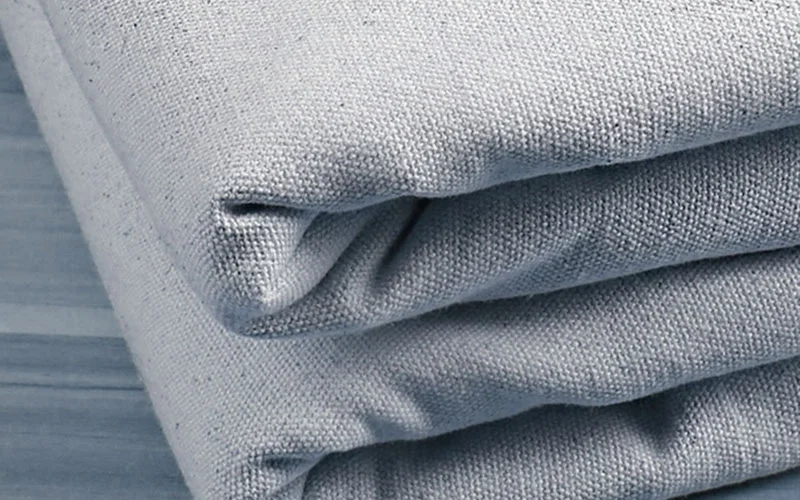
Cotton fabric is one of the most beloved and versatile materials in sewing and crafting. Prized for its natural softness, breathability, and easy care, cotton has been a staple in textile production for thousands of years. From crisp quilting cottons to soft flannel and durable denim, cotton fabric comes in countless varieties suited to virtually any sewing project.
Understanding the different types of cotton fabric, their characteristics, and best applications helps you choose the perfect material for your projects. Whether you’re making quilts, garments, home décor, or children’s items, selecting the right cotton fabric ensures your finished project looks beautiful and performs well through years of use.
Why Choose Cotton Fabric?
Cotton’s enduring popularity stems from its exceptional combination of practical benefits and natural comfort.
Cotton Fabric Benefits
- Breathability: Natural fibers allow air circulation, keeping you cool and comfortable
- Softness: Gentle on skin, perfect for clothing and bedding
- Hypoallergenic: Rarely causes allergic reactions, ideal for sensitive skin and babies
- Durability: Strong fibers withstand regular use and washing
- Easy Care: Machine washable and can handle high heat
- Absorbency: Absorbs up to 27 times its weight in water
- Versatility: Works for countless project types from quilts to garments
- Takes Dye Well: Accepts color beautifully for vibrant prints and solids
- Natural Fiber: Renewable, biodegradable, and environmentally friendly
- Affordable: Generally budget-friendly compared to luxury fibers
Cotton vs. Other Fabrics
Cotton vs. Polyester
Cotton Advantages: Breathable, natural feel, better for hot weather, more sustainable
Polyester Advantages: Wrinkle-resistant, faster drying, more durable, holds color longer
Best Use: Cotton for comfort and breathability; polyester for performance and easy care
Cotton vs. Linen
Cotton Advantages: Softer, less wrinkled, more affordable, easier to work with
Linen Advantages: Stronger, more breathable, becomes softer over time, elegant drape
Best Use: Cotton for everyday comfort; linen for summer garments and heirloom pieces
Types of Cotton Fabric
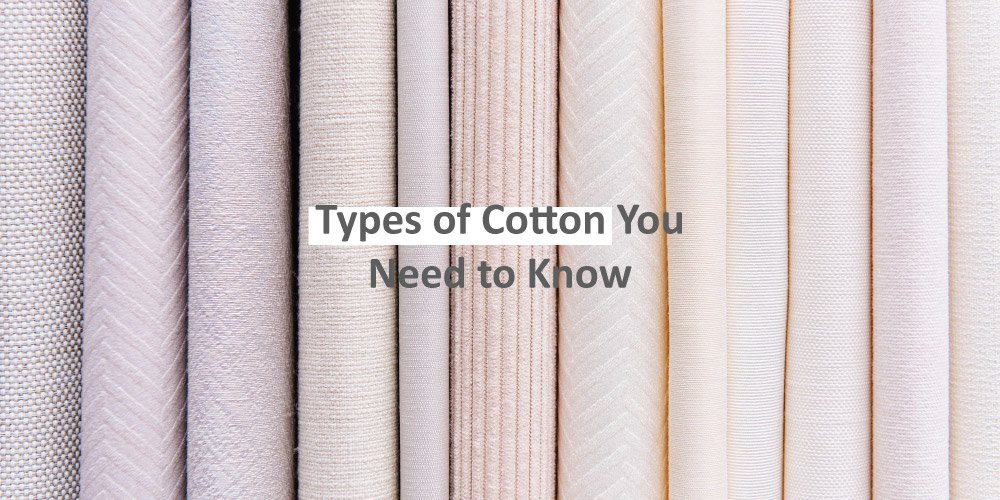
Cotton fabric comes in numerous varieties, each with distinct characteristics created through different weaving techniques, finishes, and fabric weights. Understanding these types helps you select the perfect cotton for your project.
Quilting Cotton
Quilting Cotton / Cotton Calico
Characteristics:
- Medium weight (4-5 oz per square yard)
- Plain weave with smooth surface
- Tight, even weave
- Minimal stretch
- Excellent stitch definition
- Available in endless prints and solids
Best For: Quilts, patchwork, simple garments, bags, pillows, beginner sewing projects
Why Quilters Love It: Crisp hand, holds creases well, easy to piece, shows intricate patterns beautifully
Thread Count: Typically 60-80 threads per inch
Cotton Poplin / Broadcloth
Cotton Poplin
Characteristics:
- Lightweight to medium weight
- Tightly woven plain weave
- Slight horizontal ribbing
- Smooth, crisp finish
- Good drape
Best For: Shirts, dresses, skirts, children’s clothing, lightweight quilts
Benefits: Versatile, comfortable, professional appearance, holds shape well
Care: May require ironing to maintain crisp look
Cotton Voile
Cotton Voile
Characteristics:
- Very lightweight and sheer
- Soft, flowing drape
- Plain weave with fine yarns
- Slightly crisp hand
- Breathable and airy
Best For: Summer dresses, blouses, scarves, curtains, overlays
Sewing Tip: Use fine needles and lightweight interfacing; may require lining for opacity
Cotton Lawn
Cotton Lawn
Characteristics:
- Lightweight, fine weave
- Silky smooth surface
- Crisp yet soft hand
- High thread count (100+ per inch)
- Slightly more opaque than voile
Best For: Summer clothing, heirloom garments, baby clothes, handkerchiefs
Special Quality: Often features beautiful Liberty of London-style prints
Cotton Flannel
Cotton Flannel
Characteristics:
- Medium weight with napped surface
- Soft, fuzzy texture on one or both sides
- Warm and cozy
- Loose weave
- Available in plaids and prints
Best For: Pajamas, winter shirts, baby blankets, cozy quilts, receiving blankets
Pre-Washing Critical: Flannel shrinks significantly; always pre-wash
Sewing Tip: Use walking foot to prevent shifting layers
Cotton Denim
Cotton Denim
Characteristics:
- Heavy weight, durable
- Twill weave creates diagonal ribbing
- Blue warp threads with white weft
- Strong and long-lasting
- Becomes softer with wear
Best For: Jeans, jackets, bags, durable home décor, aprons
Weight Range: 10-15 oz per square yard
Sewing Note: Requires heavy-duty needles and strong thread
Cotton Chambray
Cotton Chambray
Characteristics:
- Lightweight, breathable
- Plain weave with colored warp, white weft
- Denim look without the weight
- Soft drape
- Less stiff than denim
Best For: Casual shirts, dresses, children’s clothing, summer garments
Style: Gives denim aesthetic with lighter weight and comfort
Cotton Canvas / Duck
Cotton Canvas
Characteristics:
- Heavy weight, very durable
- Plain weave, tight construction
- Stiff hand that softens with washing
- Holds shape well
- Available in various weights
Best For: Tote bags, heavy-duty projects, upholstery, outdoor items
Weight Range: 7-18 oz per square yard
Learn More: See our complete canvas fabric guide for detailed information
Cotton Jersey Knit
Cotton Jersey
Characteristics:
- Knit construction (not woven)
- Stretchy, comfortable
- Soft drape
- Curls at cut edges
- Two-way or four-way stretch
Best For: T-shirts, dresses, baby clothes, pajamas, comfortable loungewear
Sewing Requirements: Ballpoint needles, stretch stitches, may need serger for professional finish
Care: May stretch out of shape; wash gently and lay flat to dry
Cotton Muslin
Cotton Muslin
Characteristics:
- Lightweight to medium weight
- Plain weave, slightly loose
- Natural, unbleached color
- Inexpensive
- May have visible slubs
Best For: Test garments (muslins), pattern drafting, backing, interfacing, practice projects
Perfect For Beginners: Affordable for learning and testing before using expensive fabric
Cotton Batiste
Cotton Batiste
Characteristics:
- Very lightweight and fine
- Semi-sheer
- Soft, smooth texture
- Plain weave with high thread count
- Slight sheen
Best For: Heirloom sewing, christening gowns, delicate blouses, underlining
Special Use: Often used for French handsewing and embroidery
Understanding Cotton Thread Count
Thread count refers to the number of threads woven into one square inch of fabric, combining both warp (lengthwise) and weft (crosswise) threads. While important, thread count isn’t the only indicator of quality.
Thread Count Ranges
- 60-80 threads: Standard quilting cotton, everyday fabrics
- 100-150 threads: Fine cotton, lawn, high-quality quilting cotton
- 180-200 threads: Luxury cotton, sateen, percale sheets
- 200+ threads: Very fine cotton, voile, specialty fabrics
Thread Count Reality
Higher thread count doesn’t always mean better quality. Thread quality, fiber length, and weave technique matter more than count alone. A 200-thread count fabric with long-staple cotton may feel more luxurious than a 400-thread count fabric with short fibers.
Choosing Cotton Fabric for Your Project
Matching cotton fabric type to your project requirements ensures the best results and appropriate performance.
By Project Type
Quilts and Quilting
Best Choice: Quilting cotton / cotton calico
Why: Crisp hand, holds creases, easy to piece, shows stitch work beautifully
Weight: 4-5 oz per square yard
Considerations: Pre-wash all fabrics if you plan to wash finished quilt; buy extra for shrinkage
Shirts and Blouses
Best Choices: Poplin, broadcloth, chambray, lawn (summer)
Why: Good drape, breathable, professional appearance, comfortable
Considerations: Choose weight based on season; lighter weights for summer, medium for year-round
Dresses and Skirts
Best Choices: Poplin, voile, lawn, chambray, lightweight denim
Why: Appropriate drape for garments, comfortable against skin, available in beautiful prints
Considerations: Use lining for sheer fabrics; choose weight appropriate to garment structure
Baby Items
Best Choices: Flannel, quilting cotton, voile, lawn, jersey knit
Why: Soft on delicate skin, hypoallergenic, machine washable, safe and gentle
Considerations: Pre-wash thoroughly, choose light colors that can be bleached if needed
Home Décor
Best Choices: Medium-weight quilting cotton, canvas, denim, heavier cotton blends
Why: Durability, available in home décor patterns, appropriate weight for pillows and curtains
Considerations: Consider washability for items like pillow covers; use heavier weights for structure
Bags and Accessories
Best Choices: Canvas, denim, medium-heavy quilting cotton with interfacing
Why: Durability, holds shape, withstands regular use
Considerations: Add interfacing to lighter weights for structure; consider laminated cotton for water resistance
Sewing with Cotton Fabric
Cotton is generally beginner-friendly and forgiving, making it ideal for those learning to sew. Understanding a few key techniques ensures success.
Pre-Washing Cotton Fabric
Why Pre-Wash Cotton?
- Shrinkage: Cotton can shrink 3-5% on first wash
- Color Bleeding: Dark or bright colors may bleed initially
- Removes Chemicals: Eliminates manufacturing residues and sizing
- Softens Fabric: Cotton becomes softer and easier to work with
- Prevents Future Issues: Ensures finished project won’t shrink or bleed later
How to Pre-Wash:
- Machine wash in warm water with regular detergent
- Separate lights and darks to prevent color transfer
- Dry in dryer on medium heat or line dry
- Press while slightly damp for easier ironing
- Trim any frayed edges before cutting pattern pieces
Essential Sewing Supplies for Cotton
Cotton Sewing Supply List
- Needles: Universal 80/12 for quilting cotton, 70/10 for lightweight cottons, 90/14 for heavier weights
- Thread: All-purpose polyester or cotton thread matching fabric color
- Scissors: Sharp fabric scissors for clean cuts
- Pins: Fine quilting pins or silk pins for delicate cottons
- Iron: Essential—cotton needs pressing throughout construction
- Rotary Cutter: For quilting and cutting straight lines
- Seam Ripper: Mistakes happen; cotton is forgiving to rip and re-sew
Cotton Sewing Tips
Machine Settings
Stitch Length: 2.5-3.0mm for general sewing, 2.0-2.5mm for quilting
Tension: Normal (usually 4-5)
Presser Foot: Standard foot works for most cotton; walking foot helpful for quilting
Pressing Techniques
Temperature: Cotton can handle high heat; set iron to cotton setting
Steam: Use steam freely; helps set seams and remove wrinkles
Technique: Press seams after sewing; press, don’t iron (lift and lower rather than slide)
Direction: Press seams to one side for quilting, open for garments
Seam Finishing
Options: Pinked edges (zigzag scissors), serged edges, French seams, flat-felled seams
Note: Cotton frays moderately; seam finishing extends garment life and provides neat interior
Caring for Cotton Fabric Items
Proper care keeps cotton items looking beautiful and extends their lifespan through years of use and washing.
Washing Cotton
- Water Temperature: Warm or hot water (cotton can handle heat)
- Detergent: Regular laundry detergent; avoid fabric softener on quilts and towels
- Cycle: Normal cycle for sturdy items; gentle for delicate cottons
- Sorting: Separate lights and darks, especially for first few washes
- Stain Treatment: Pre-treat stains before washing; cotton responds well to most stain removers
Drying Cotton
- Machine Drying: Medium to high heat acceptable; cotton can shrink in very high heat
- Line Drying: Produces softest results; reduces shrinkage risk
- Shake Before Drying: Reduces wrinkles
- Remove Promptly: Prevents excessive wrinkling
- Partial Drying: Remove while slightly damp for easier ironing
Ironing Cotton
- Set iron to cotton/high heat setting
- Use steam liberally for best wrinkle removal
- Iron while fabric is slightly damp when possible
- Press from wrong side to prevent shine on dark colors
- Spray starch can help maintain crispness in shirts and quilting cotton
Storing Cotton Items
- Clean Before Storage: Dirt and oils attract pests
- Fold, Don’t Hang: Hanging can stretch cotton over time
- Breathable Storage: Use cotton bags or acid-free tissue; avoid plastic
- Cool, Dry Location: Prevent mildew and color fading
- Refold Periodically: Prevents permanent creases in stored quilts
Cotton Fabric Tips & Tricks
Essential Cotton Tips
- Always pre-wash: Cotton shrinks; pre-washing prevents disappointment in finished projects
- Cut on grain: Follow fabric grain lines for professional results and proper drape
- Use sharp tools: Sharp scissors and new needles prevent snagging and skipped stitches
- Press frequently: Pressing as you sew makes enormous difference in final appearance
- Test stitch: Always test on scrap before sewing project
- Buy extra: Account for shrinkage, mistakes, and matching patterns; 10% extra recommended
- Save with coupons: Check our latest coupons before purchasing fabric for your projects
- Store properly: Keep fabric away from direct sunlight to prevent fading
- Match thread weight: Use thread weight appropriate to fabric weight
Troubleshooting Common Issues
Puckered Seams
Causes: Thread tension too tight, pulling fabric while sewing, wrong needle size
Solutions: Loosen tension, let feed dogs move fabric, use correct needle size for fabric weight
Excessive Fraying
Causes: Loose weave, cutting against grain, not finishing seams
Solutions: Use pinking shears, serge edges, apply seam sealant, finish seams promptly
Skipped Stitches
Causes: Dull or wrong needle, incorrect threading
Solutions: Replace needle, check threading, ensure using correct needle type for fabric
Wrinkled Finished Project
Prevention: Press as you sew, press finished seams, store properly
Fix: Cotton responds beautifully to steam pressing; can usually restore original appearance
Start Your Cotton Fabric Projects
Cotton fabric’s versatility, comfort, and easy care make it perfect for countless sewing and crafting projects. From your first beginner sewing project to intricate quilts and custom garments, cotton provides the ideal foundation. Understanding the different types of cotton fabric and their best applications empowers you to choose materials that bring your creative visions to life.
Whether you’re piecing a colorful quilt, sewing summer dresses, creating cozy flannel pajamas, or making durable bags, there’s a cotton fabric perfectly suited to your needs. The fabric’s natural breathability, softness, and durability ensure your finished projects look beautiful and perform well through years of use and washing.
Ready to start your next project? Browse our complete selection of cotton fabrics in every type and print imaginable, and don’t forget to check our current coupons to save on your fabric purchase. Explore other durable fabric options for heavy-duty projects, or discover upholstery fabrics for home décor. For sewing guidance, visit our beginner sewing guide to master essential techniques. Start your crafting journey today with beautiful cotton fabric!
Happy sewing, and enjoy creating with the timeless beauty of cotton!