
Crochet Supplies Guide
Everything you need to know about crochet hooks, yarn, and essential tools for your crochet projects.
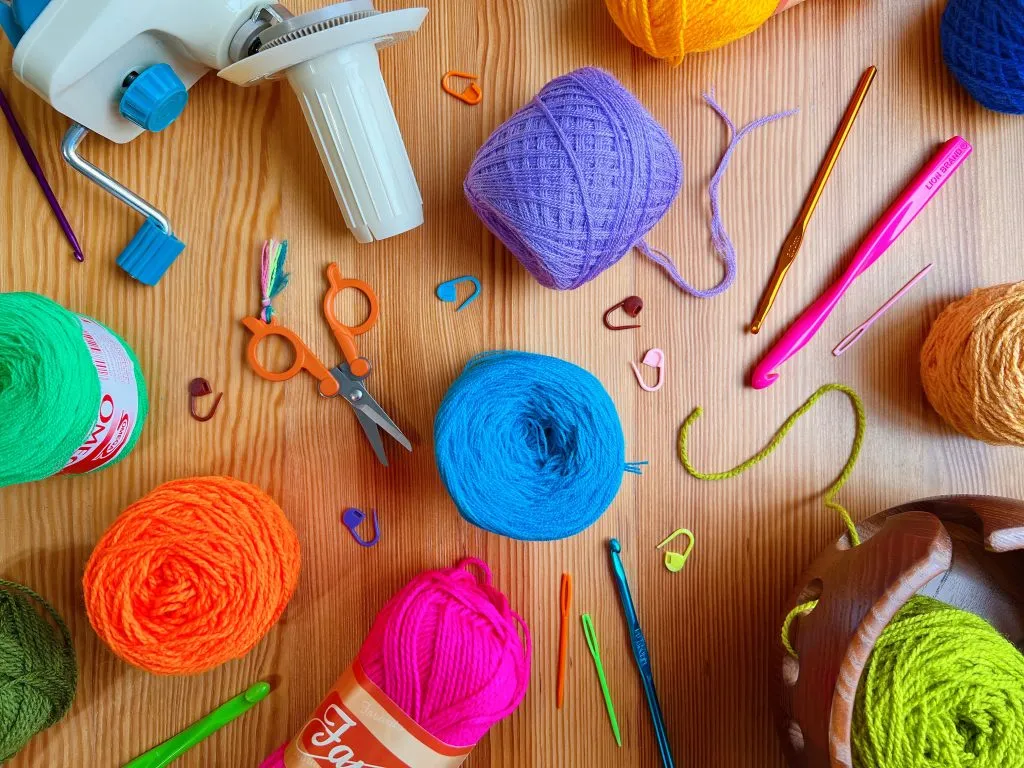
Welcome to your complete guide to crochet supplies! Whether you’re a beginner learning your first stitches or an experienced crocheter expanding your toolkit, understanding crochet supplies helps you choose the right materials for every project. From selecting the perfect hook to choosing yarn that brings your vision to life, the right supplies make crocheting enjoyable and your finished projects beautiful.
Crochet requires minimal supplies compared to many other crafts, making it an accessible and portable hobby. With just a hook and yarn, you can create everything from delicate doilies to cozy blankets. This guide covers essential crochet supplies, how to choose hooks and yarn, and the tools that make crocheting easier and more enjoyable.
Crochet Hooks Guide
The crochet hook is your most essential tool. Understanding hook sizes, materials, and styles helps you select hooks that feel comfortable and produce the results you want.
Understanding Hook Sizes
Crochet hooks are sized by diameter, with larger numbers indicating thicker hooks. The US and metric sizing systems differ, so patterns may list both measurements.
US Size B/1 (2.25mm)
Best For: Lace, thread crochet, delicate doilies, fine jewelry
Yarn Weight: Thread, lace weight
Projects: Delicate shawls, fine doilies, decorative edgings
US Size E/4 (3.5mm)
Best For: Lightweight garments, baby items, amigurumi
Yarn Weight: Sport, DK
Projects: Baby blankets, lightweight shawls, small toys
US Size G/6 (4.0mm) & H/8 (5.0mm)
Best For: Most common sizes for everyday projects
Yarn Weight: Worsted weight
Projects: Afghans, hats, scarves, dishcloths, most patterns
Note: These versatile sizes work with the most popular yarn weights
US Size J/10 (6.0mm) & K/10.5 (6.5mm)
Best For: Quick projects, chunky items
Yarn Weight: Chunky, bulky
Projects: Thick blankets, winter scarves, quick hats, market bags
US Size N/P/15 (10.0mm) and Larger
Best For: Super bulky projects, arm crochet alternatives
Yarn Weight: Super bulky, jumbo
Projects: Extra chunky blankets, quick home décor, statement pieces
Hook Selection Tip
Start with a US H/8 (5.0mm) hook and worsted weight yarn. This combination is perfect for learning basic stitches and works for the majority of beginner patterns.
Hook Materials
Aluminum Hooks
Pros:
- Affordable and widely available
- Smooth surface for easy yarn gliding
- Lightweight and durable
- Available in all sizes
- Good for beginners
Cons:
- Can feel cold to the touch
- May cause hand fatigue during long sessions
- Basic grip without ergonomic features
Best For: Beginners, general use, budget-conscious crafters
Ergonomic Hooks
Pros:
- Cushioned grips reduce hand strain
- Wider handles prevent cramping
- Ideal for extended crochet sessions
- Available in bright colors for easy identification
- Excellent for those with arthritis or hand pain
Cons:
- More expensive than basic hooks
- Bulkier to store and transport
Best For: Frequent crocheters, those with hand issues, long projects
Bamboo/Wood Hooks
Pros:
- Warm, natural feel
- Slight grip prevents yarn from sliding excessively
- Lightweight
- Beautiful aesthetic
- Gentle on hands
Cons:
- Can break with rough handling
- May develop rough spots over time
- More expensive than aluminum
- Limited size range
Best For: Slippery yarns, experienced crocheters, natural material preferences
Steel Hooks
Pros:
- Very fine sizes for thread work
- Extremely durable
- Smooth finish
- Precise for detailed work
Cons:
- Only available in small sizes
- Can be hard to see
- Requires more precision
Best For: Thread crochet, lace doilies, fine detail work
Hook Anatomy
Understanding hook parts helps you evaluate quality and find the right fit:
- Throat: The groove that catches yarn; should be smooth and properly sized
- Head: The point that enters stitches; pointed heads work for tight stitches, rounded heads for loose
- Shaft: Determines stitch size; should be consistent diameter
- Handle: Where you grip; ergonomic handles reduce fatigue
Choosing Yarn for Crochet
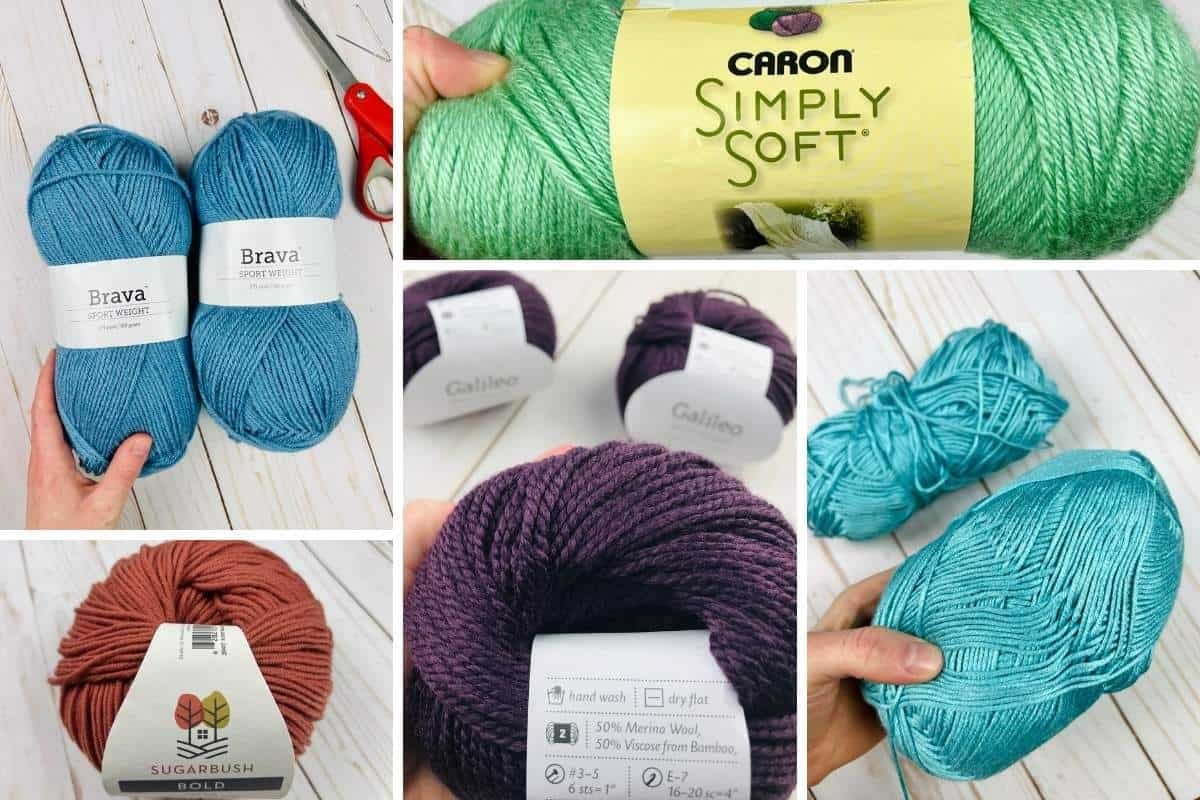
While you can crochet with any yarn designed for knitting, certain characteristics make some yarns better suited for crochet projects. Understanding these differences helps you choose yarn that works well with your hook and produces beautiful results.
Best Yarn Characteristics for Crochet
- Medium twist: Not too loose (splits easily) or too tight (hard to work with)
- Smooth texture: Textured yarns can hide stitch definition
- Appropriate weight: Match yarn weight to hook size and pattern
- Good stitch definition: Shows your beautiful stitches clearly
- Consistent thickness: Even stitches require consistent yarn
Popular Yarn Choices for Crochet
Acrylic Yarn
Why Crocheters Love It:
- Most affordable option for large projects
- Machine washable and dryable
- Wide color selection
- Great stitch definition
- Perfect for blankets and afghans
Best For: Practice projects, afghans, dishcloths, items needing frequent washing
Popular Brands: Red Heart Super Saver, Caron Simply Soft, Lion Brand Pound of Love
Cotton Yarn
Why Crocheters Love It:
- Excellent stitch definition shows complex patterns
- Breathable for summer garments
- Absorbent for kitchen items
- Machine washable
- Gets softer with washing
Best For: Dishcloths, market bags, summer tops, amigurumi, baby items
Note: Lacks elasticity; projects may stretch over time
Wool and Wool Blends
Why Crocheters Love It:
- Natural elasticity creates even stitches
- Warm and insulating
- Blocks beautifully for shaping
- Excellent for garments
- Durable and long-lasting
Best For: Winter accessories, sweaters, shawls, heirloom projects
Care: Often requires hand washing unless labeled superwash
Chenille Yarn
Why Crocheters Love It:
- Soft, velvety texture
- Luxurious look and feel
- Great for baby blankets
- Cozy and warm
Challenges:
- Can split while working
- May worm (fibers pull out)
- Hides stitch definition
- Not ideal for beginners
Best For: Simple stitch patterns, blankets, scarves (experienced crocheters)
Yarn Weight for Crochet Projects
Matching yarn weight to project type ensures success. For detailed information about yarn weights and fiber types, see our comprehensive yarn guide.
- Lace/Thread: Delicate doilies, fine shawls, decorative edgings
- Sport/DK: Lightweight garments, baby items, detailed work
- Worsted: Most versatile; afghans, hats, scarves, dishcloths
- Chunky/Bulky: Quick blankets, thick scarves, winter hats
- Super Bulky: Super quick projects, arm crochet alternatives, statement pieces
Essential Crochet Tools
Beyond hooks and yarn, several tools make crocheting easier, faster, and more enjoyable.
Basic Crochet Toolkit
- Crochet hooks: Set with common sizes G/6, H/8, I/9, J/10
- Yarn needles: Large-eye needles for weaving in ends
- Scissors: Sharp scissors dedicated to yarn
- Stitch markers: Mark beginning of rounds or pattern repeats
- Measuring tape: Check gauge and project dimensions
- Row counter: Track rows and pattern repeats
- Yarn bowl or bag: Keep yarn clean and tangle-free
Must-Have Accessories
Yarn Needles (Tapestry Needles)
Purpose: Weaving in ends, seaming pieces together, adding embroidery details
Types: Bent tip or straight, various eye sizes
Tip: Keep multiple sizes for different yarn weights
Stitch Markers
Purpose: Mark beginning of rounds, track pattern repeats, identify specific stitches
Types: Locking markers (clip onto stitches), ring markers (slide onto hook), removable safety pins
DIY Option: Use small safety pins or contrasting yarn scraps
Blocking Tools
Purpose: Shape and size finished projects, even out stitches, open up lace patterns
Essential Items: Blocking mats, rust-proof pins, spray bottle
When to Block: Garments, doilies, shawls, any project needing shaping
Yarn Bowl or Project Bag
Purpose: Keep yarn clean, prevent tangling, maintain consistent tension
Options: Wooden yarn bowls with spiral cutout, ceramic bowls, dedicated project bags with yarn feed holes
Benefit: Especially helpful for multi-color projects
Nice-to-Have Tools
- Hook organizer: Keep hooks sorted and protected
- Yarn swift and ball winder: Create center-pull balls from hanks
- Crochet gauge tool: Measure hook sizes and check gauge
- Ergonomic hook grips: Add comfort to standard hooks
- Pattern holder: Keep patterns visible and clean
- Good lighting: Essential for seeing stitches clearly, especially with dark yarn
- Magnification: Helpful for fine work or those with vision challenges
Getting Started with Crochet
Ready to begin your crochet journey? Here’s how to set yourself up for success with the right supplies and approach.
Best Supplies for Beginners
Beginner Shopping List
- One H/8 (5.0mm) crochet hook: Aluminum or ergonomic
- 2-3 skeins worsted weight yarn: Light color, smooth texture (Caron Simply Soft or Red Heart Super Saver)
- Yarn needle: For weaving in ends
- Small scissors: For cutting yarn
- Measuring tape: Check your gauge
Total Investment: $15-25 to start
Choosing Your First Project
Select beginner-friendly projects that teach fundamental skills without overwhelming you:
Dishcloth or Washcloth
Why It’s Perfect: Small, quick, practical, uses basic stitches, low stakes for mistakes
Skills Learned: Chain stitch, single crochet, turning chains, even edges
Time: 2-3 hours
Simple Scarf
Why It’s Perfect: Repetitive stitching builds muscle memory, visible progress, useful finished item
Skills Learned: Maintaining consistent width, working in rows, tension control
Time: 5-10 hours depending on length
Granny Square
Why It’s Perfect: Teaches working in rounds, classic crochet motif, can become blanket squares
Skills Learned: Working in the round, joining rounds, creating squares
Time: 30 minutes per square
Learning Resources
Take advantage of free resources to learn basic stitches:
- YouTube tutorials: Visual learning for basic stitches
- Free patterns online: Start with beginner-labeled patterns
- Library books: Reference guides for techniques
- Local classes: Many craft stores offer free or low-cost beginner workshops
- Online communities: Reddit’s r/crochet, Ravelry forums, Facebook groups offer support
Crochet Success Tips
Essential Crochet Tips
- Start with light-colored yarn: Dark colors make stitches hard to see when learning
- Choose smooth yarn: Avoid fuzzy, textured, or chenille yarns as a beginner
- Practice tension: Consistent tension creates even stitches; comes with practice
- Count your stitches: Prevents accidental increases or decreases
- Don’t stress about mistakes: Crochet is easily frogged (ripped back)
- Use stitch markers: Mark first stitch of round to avoid losing your place
- Take breaks: Prevent hand fatigue and maintain focus
- Read pattern completely first: Understand what you’re making before starting
Common Beginner Mistakes
Inconsistent Tension
Problem: Stitches vary in size, creating uneven fabric
Solution: Practice! Tension improves naturally with experience. Focus on holding yarn consistently
Increasing or Decreasing Accidentally
Problem: Project gets wider or narrower
Solution: Count stitches at end of each row. Mark first and last stitch. Work into proper stitch (not space)
Tight Stitches
Problem: Difficult to insert hook, fabric curls or stiffens
Solution: Relax your grip, try larger hook, practice with looser tension
Losing Count
Problem: Unsure which row or stitch you’re on
Solution: Use row counter, write down counts, use stitch markers for pattern repeats
Building Your Skills
Progress from beginner to advanced by gradually adding new techniques:
- Master basic stitches first: Chain, single crochet, double crochet
- Learn to read patterns: Understand abbreviations and symbols
- Practice working in the round: Opens up hat, basket, and amigurumi patterns
- Try color changes: Stripes teach yarn management
- Attempt texture stitches: Bobbles, popcorns, cables add visual interest
- Join motifs: Combine squares into blankets
- Make your first garment: Simple shawl or vest teaches shaping
Organizing Your Crochet Supplies
Good organization keeps supplies accessible and protected, making it easier to start projects and maintain your tools.
Hook Storage
- Hook organizers: Roll-up cases keep hooks sorted by size
- Clear containers: Easy to see what you have
- Labeled slots: Prevent size confusion
- Separate sets: Keep ergonomic and standard hooks in different cases
Yarn Storage
- Clear bins: See colors at a glance, protect from dust
- Organize by weight: Keep similar weights together
- Store in cool, dry place: Prevent moth damage and mildew
- Keep labels: Attach yarn labels with fiber content and dye lot info
- Project bags: Dedicate bags to specific projects with all needed supplies
Tool Organization
- Small containers: Keep stitch markers, yarn needles together
- Portable kit: Assemble grab-and-go bag with essentials
- Designated space: Create crochet corner with good lighting
- Pattern storage: Use binders or digital files to organize favorite patterns
Start Your Crochet Journey
Crochet is a rewarding craft that requires minimal supplies to begin but offers endless creative possibilities. With just a hook and yarn, you can create beautiful, functional items while enjoying the meditative rhythm of stitching. The right supplies make learning easier and your finished projects more professional.
Start with basic supplies—a single hook, some worsted weight yarn, and a yarn needle—then gradually expand your collection as you discover your preferences and explore new techniques. Every crocheter develops favorite hooks, preferred yarn brands, and must-have tools over time. Don’t feel pressured to buy everything at once; build your toolkit thoughtfully as your skills grow.
Ready to start crocheting? Explore our complete selection of crochet yarn in every weight and color, discover inspiring crochet project ideas, and learn about yarn fiber types to choose the perfect materials for your projects. Whether you’re making your first dishcloth or designing an intricate shawl, the right supplies set you up for success.
Happy crocheting, and enjoy creating beautiful handmade items one stitch at a time!