
Fleece Fabric Guide & Uses
Everything you need to know about fleece fabric for cozy blankets, clothing, and craft projects.
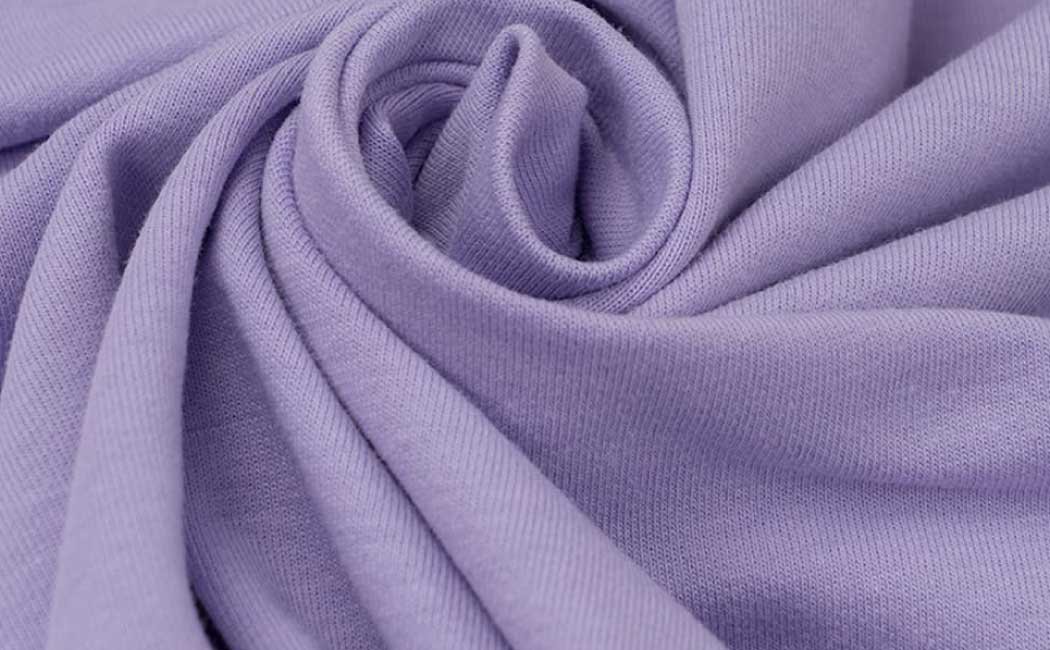
Fleece fabric is the ultimate cozy material that keeps you warm without the weight. This soft, fuzzy synthetic fabric has become a favorite for blankets, jackets, and craft projects because it’s easy to work with and incredibly comfortable.
Whether you’re making your first no-sew blanket or sewing a warm winter jacket, Joann fleece fabric is beginner-friendly and forgiving. It doesn’t fray, stretches just a little, and comes in endless colors and patterns perfect for any project.
What is Fleece Fabric?
Fleece is a synthetic fabric made from polyester fibers that are knitted and then brushed to create a soft, fuzzy surface. Despite its name, fleece contains no wool and comes entirely from man-made materials.
The fabric was invented in 1979 by Malden Mills (now Polartec) as a lightweight alternative to wool. Today, fleece is everywhere from outdoor gear to cozy pajamas.
Fleece Characteristics
Fleece has several special qualities that make it popular for so many projects:
- Super Soft: Fuzzy texture feels gentle against skin
- Warm: Traps body heat while staying lightweight
- No Fraying: Cut edges stay neat without finishing
- Stretchy: Has some give in all directions
- Quick-Drying: Doesn’t hold water like cotton
- Easy Care: Machine washable and dries fast
- Budget-Friendly: Affordable compared to wool or specialty fabrics
- Breathable: Wicks moisture away from body
Fleece vs. Other Warm Fabrics
Fleece vs. Wool
Fleece: Synthetic, machine washable, doesn’t itch, lighter weight, less expensive, doesn’t pill as much
Wool: Natural fiber, can be itchy, requires special care, heavier, more expensive, very warm and durable
Best Use: Fleece for everyday wear and easy care; wool for extreme cold and formal items
Fleece vs. Flannel
Fleece: Knit fabric, very stretchy, warmer, thicker, synthetic, doesn’t breathe as much
Flannel: Woven fabric, little stretch, lighter, softer drape, usually cotton, more breathable
Best Use: Fleece for outerwear and blankets; flannel for sheets and pajamas
Fleece vs. Minky
Fleece: Double-sided fuzzy texture, more structure, easier to sew, less expensive
Minky: Fuzzy on one side only, silkier feel, slippery to sew, more luxurious look
Best Use: Fleece for general projects; minky for special baby blankets and plush items
Types of Fleece Fabric
Not all fleece is the same! Different types work better for different projects.
Polar Fleece (Anti-Pill Fleece)
Standard Polar Fleece
Description: The most common type of fleece with medium thickness and soft texture
Characteristics:
- Fuzzy on both sides
- Medium weight (200-300 gsm)
- Anti-pill finish resists fuzzing
- Some stretch in all directions
- Available in every color and pattern
- Most affordable fleece option
Best For: Blankets, scarves, hats, simple jackets, craft projects, no-sew projects
Width: Usually 58-60 inches wide
Why It’s Popular: Joann’s anti-pill fleece offers the perfect balance of warmth, softness, and easy sewing for beginners
Microfleece
Lightweight Microfleece
Description: Thinner, smoother fleece with less bulk
Characteristics:
- Lightweight and thin (100-200 gsm)
- Smoother surface, less fuzzy
- More stretchy than polar fleece
- Drapes better for clothing
- Less warm than regular fleece
- Perfect for layering
Best For: Lightweight jackets, pajamas, baby clothes, lining for garments, summer blankets
Sewing Tip: Easier to sew than thick fleece because it’s less bulky
Blizzard Fleece (Plush Fleece)
Extra Soft Blizzard Fleece
Description: Super soft, extra fuzzy fleece with longer pile
Characteristics:
- Very thick and plush (300+ gsm)
- Longer, shaggier fuzzy surface
- Extremely soft and cozy
- Heavier than standard fleece
- More expensive
- Limited stretch
Best For: Luxury blankets, cozy robes, decorative throws, pet beds, extra warm outerwear
Perfect When: Maximum softness and warmth are priorities—Joann blizzard fleece is ideal for special projects
Sherpa Fleece
Fluffy Sherpa Fleece
Description: Fleece designed to look and feel like sheep’s wool
Characteristics:
- Very bumpy, curly texture
- Extremely thick and warm
- Usually has smooth backing side
- Limited color options (mostly cream/white)
- More challenging to sew
- Luxurious look and feel
Best For: Jacket linings, blanket backing, boot cuffs, decorative pillows, pet accessories
Sewing Note: Very bulky—requires heavy-duty needles and slower sewing
Performance Fleece
Athletic/Outdoor Performance Fleece
Description: Technical fleece designed for outdoor activities and sports
Characteristics:
- Moisture-wicking properties
- Wind-resistant coating
- More structured and less fuzzy
- Quick-drying
- Often has DWR (water repellent) finish
- Higher price point
Best For: Athletic wear, hiking jackets, outdoor clothing, running gear
Brands: Polartec, Patagonia fleece, North Face fleece
Printed Fleece
Patterned & Character Fleece
Description: Regular fleece with printed designs, characters, or patterns
Characteristics:
- Same as polar fleece but with designs
- Endless pattern options
- Perfect for themed projects
- Kids love character prints
- Seasonal designs available
- May cost slightly more than solids
Best For: Kid’s blankets, themed craft projects, gift items, holiday decorations
Popular Themes: Sports teams, holidays, animals, Christmas patterns, cartoon characters—Joann’s has one of the largest selections of printed fleece designs
Bonded Fleece
Double-Layer Bonded Fleece
Description: Two layers of fleece bonded together with thin layer between
Characteristics:
- Extra thick and warm
- Very wind-resistant
- More structured than single-layer
- Heavier weight
- Minimal stretch
- Often reversible
Best For: Heavy winter jackets, outdoor vests, cold-weather blankets
Challenge: Too thick for home machines—best for hand-sewing or industrial machines
How to Sew Fleece Fabric
Fleece is one of the easiest fabrics for beginners to sew! The no-fray edges mean you don’t need to finish seams, and mistakes are very forgiving.
Essential Supplies for Sewing Fleece
Fleece Sewing Supply List
- Needles: Ballpoint or stretch needles in size 80/12 or 90/14
- Thread: Polyester thread matches fleece’s stretch
- Scissors: Very sharp fabric scissors or rotary cutter
- Pins: Regular pins work fine, or use clips
- Walking Foot: Helpful but not required for most fleece
- Ballpoint Pins: Won’t damage knit fibers
- Pattern Weights: Hold pattern without pin holes
Machine Settings for Fleece
Perfect Settings for Fleece
Stitch Type: Straight stitch or narrow zigzag (1.5mm width)
Stitch Length: 2.5-3.0mm for regular fleece, 3.0-3.5mm for thick fleece
Tension: Normal or slightly loosened
Presser Foot Pressure: Reduce pressure for thick fleece to prevent stretching
Speed: Medium speed works best
Special Note: Test on scraps first—fleece can stretch if settings are wrong
Cutting Fleece Fabric
Tips for Cutting Fleece
- Lay fabric on large, flat surface
- Let fleece relax for an hour before cutting if it was folded
- Use rotary cutter for straight lines
- Cut in single layer when possible (fleece is thick)
- Pay attention to stretch direction (usually crosswise)
- Mark wrong side with tape or chalk
- Don’t let fleece hang off table—weight pulls and stretches it
Sewing Techniques for Fleece
Preventing Stretched Seams
Problem: Fleece can stretch out of shape while sewing
Solutions:
- Don’t pull or push fabric through machine—let feed dogs do the work
- Pin every 3-4 inches to keep layers together
- Use walking foot for long seams
- Sew with stretch direction, not against it
- Support fabric weight so it doesn’t pull
Seam Finishing Options
Good News: Fleece doesn’t fray, so you have options!
- Leave Raw: Simply trim with scissors—edges stay neat
- Serged Edges: Professional finish that lies flat
- Zigzag Stitch: Adds stretch and prevents curling
- No Finishing Needed: For most projects, raw edges work perfectly
Special Fleece Techniques
Reducing Bulk
Fleece is thick, so seams can get very bulky:
- Grade seam allowances (trim one side shorter)
- Press seams open instead of to one side
- Trim seam allowances to 1/4 inch after sewing
- Clip curves and corners carefully
- Avoid sewing through more than 2-3 layers
No-Sew Fleece Projects
Fleece is perfect for no-sew projects!
- Tie Blankets: Cut fringe and tie knots—no sewing needed
- Braided Blankets: Cut strips and braid edges together
- Fabric Glue: Use fabric glue for simple projects
- Hot Glue: Works for crafts and decorations (not clothing)
Perfect For: Kids’ projects, quick gifts, people without sewing machines
Pressing Fleece
Be careful with your iron! Fleece is synthetic and can melt.
Use low heat or steam setting only. Never use high heat. Press from wrong side with pressing cloth. Better yet—finger press seams or use pins to hold seams flat instead of ironing.
Fleece Fabric Project Ideas
Fleece is perfect for cozy projects that keep you warm! Here are popular fleece projects for every skill level.
Beginner Fleece Projects
No-Sew Tie Blanket
Skill Level: Beginner (No Sewing!) | Time: 1-2 hours
Materials: 2 yards each of 2 coordinating fleece fabrics
How It Works: Layer two pieces, cut fringe around edges, tie knots
Perfect For: Kids to make, quick gifts, anyone without a sewing machine
Size: Makes approximately 60″ x 72″ blanket
Simple Fleece Scarf
Skill Level: Beginner | Time: 30 minutes
Materials: 1/2 yard fleece
What You’ll Learn: Cutting straight lines, basic sewing (or no sewing at all!)
Variations: Add fringe ends, braid three strips together, make infinity scarf
Fleece Hat
Skill Level: Beginner | Time: 1-2 hours
Materials: 1/2 yard fleece
What You’ll Learn: Sewing curved seams, working with stretch fabric
Styles: Beanie, earflap hat, headband, ponytail hat
Intermediate Fleece Projects
Fleece Throw Blanket (Sewn)
Skill Level: Intermediate | Time: 2-3 hours
Materials: 2-3 yards fleece
What You’ll Learn: Sewing long straight seams, binding or hemming edges, working with large fabric pieces
Tips: Add cotton backing for reversible blanket, topstitch for professional look
Fleece Jacket or Vest
Skill Level: Intermediate | Time: 4-6 hours
Materials: 2-3 yards fleece, zipper, pattern
What You’ll Learn: Following patterns, installing zippers, set-in sleeves
Perfect For: Custom outdoor wear, matching family jackets
Fleece Mittens or Gloves
Skill Level: Intermediate | Time: 2-3 hours
Materials: 1/2 yard fleece
What You’ll Learn: Small curved seams, working with tight spaces
Add: Grippers on palms, sherpa lining, convertible mitten flap
Advanced Fleece Projects
Fleece Robe or Bathrobe
Skill Level: Advanced | Time: 6-10 hours
Materials: 3-4 yards fleece, belt material
What You’ll Learn: Complex garment construction, pockets, shawl collar, belt loops
Luxury Upgrade: Use blizzard fleece or sherpa for spa-quality robe
Fleece Pajamas Set
Skill Level: Advanced | Time: 6-8 hours
Materials: 3-4 yards fleece, elastic
What You’ll Learn: Matching sets, elastic waistbands, working with patterns
Popular Styles: Two-piece sets, footed pajamas for kids, matching family PJs
Fleece Quilt with Binding
Skill Level: Advanced | Time: 10-15 hours
Materials: Multiple fleece colors, backing fabric, binding
What You’ll Learn: Piecing squares, binding edges, quilting techniques
Challenge: Working with stretchy fabric in quilt format requires precision
Quick Fleece Craft Projects
Other Fun Fleece Projects
- Pet Beds: Simple rectangular pillow covers (1-2 hours)
- Neck Warmers: Tube scarf with elastic (1 hour)
- Headbands: Quick ear warmers (30 minutes)
- Boot Cuffs: Decorative fleece toppers (1 hour)
- Pillows: Cozy throw pillows (1-2 hours)
- Stuffed Animals: Simple plush toys (2-4 hours)
- Car Blankets: Emergency warmth for vehicles (2 hours)
- Stadium Cushions: Padded seat cushions (1-2 hours)
Caring for Fleece Fabric
Fleece is super easy to care for! It washes well and dries quickly, making it perfect for everyday items.
Washing Fleece
How to Wash Fleece Items
Machine Wash: Use cold or warm water (never hot)
Detergent: Regular laundry detergent works fine
Fabric Softener: Don’t use it! Softener coats fleece fibers and reduces softness over time
Washing Cycle: Gentle or normal cycle
Water Temperature: Cold water best, warm okay, hot water never
Special Note: Wash fleece separately or with similar fabrics to prevent pilling
Drying Fleece
Dryer: Low heat or air dry setting
Never Use: High heat—it can melt or damage fleece fibers
Drying Time: Fleece dries quickly, usually 30-45 minutes
Air Dry Option: Hang or lay flat to dry—fleece dries fast even without heat
Remove Promptly: Take out of dryer right away to prevent wrinkles
Dealing with Pilling
Preventing and Removing Pills
What Are Pills? Little fuzz balls that form on fleece surface from friction
Prevention Tips:
- Wash fleece inside out
- Use cold water and gentle cycle
- Don’t overload washing machine
- Buy anti-pill fleece when possible
- Wash with similar fabrics only
Removing Pills: Use fabric shaver, sweater stone, or disposable razor carefully
Stain Removal
Getting Stains Out of Fleece
Act Fast: Fresh stains come out much easier than set-in stains
- Food Stains: Pre-treat with dish soap, then wash normally
- Grease/Oil: Apply baking soda or cornstarch, let sit, brush off, wash
- Mud: Let dry completely, brush off, then wash
- Ink: Dab with rubbing alcohol before washing
- Blood: Rinse with cold water immediately, then wash
Storage Tips
- Store clean and completely dry fleece items
- Fold loosely or hang to prevent creases
- Keep in cool, dry place away from direct sunlight
- Don’t store in plastic bags (fleece needs air circulation)
- Cedar blocks or lavender sachets keep storage areas fresh
Buying Fleece Fabric
Understanding fleece quality helps you pick the best fabric for your project and budget.
Quality Indicators
What to Look For
- Weight (GSM): Grams per square meter—higher numbers mean thicker fleece
- Pill Resistance: Look for “anti-pill” labels on better quality fleece
- Softness: Touch it! Softer fleece usually indicates better quality
- Stretch: Should have moderate stretch, not too much or too little
- Color Fastness: Quality fleece doesn’t fade quickly
- Thickness: Hold up to light—shouldn’t be see-through
Price Ranges
Budget Fleece ($4-7 per yard)
What You Get: Basic fleece, may pill more, thinner weight
Best For: Practice projects, kid’s crafts, no-sew blankets
Considerations: May not be as soft or long-lasting
Mid-Range Fleece ($8-12 per yard)
What You Get: Anti-pill fleece, nice patterns, good quality
Best For: Most projects, blankets, clothing, gifts
Why Choose It: Best value for quality and durability
Premium Fleece ($13-20+ per yard)
What You Get: Blizzard fleece, performance fleece, specialty types
Best For: Special projects, outdoor gear, luxury items
Worth It When: You want maximum softness or specific performance features
How Much Fleece to Buy
Common Project Yardage
Baby Blanket: 1 to 1.5 yards
Lap Blanket: 1.5 to 2 yards
Throw Blanket: 2 to 2.5 yards
Twin Blanket: 3 yards
Full/Queen Blanket: 3.5 to 4 yards
Scarf: 0.5 yard
Hat: 0.5 yard
Child’s Jacket: 1.5 to 2 yards
Adult Jacket: 2.5 to 3 yards
Tip: Buy an extra half yard for mistakes or future projects!
Where to Buy
- Joann Fabric Stores: Wide selection of fleece fabric, can feel fabric in person, regular sales and coupons
- Online Fabric Retailers: Huge selection, good prices, order samples first
- Big Box Stores: Budget-friendly basics, limited selection
- Specialty Outdoor Stores: Performance fleece for technical projects
- Fabric Outlet Stores: Great deals on overstock and remnants
Shopping Tip
Joann fleece fabric goes on sale frequently, especially after holidays. Stock up on solids in basic colors when you see good prices. Character prints and seasonal patterns often get marked down after holidays too!
Fleece Fabric Tips & Tricks
Essential Fleece Tips
- Pre-wash optional: Fleece doesn’t shrink much, but pre-washing removes sizing
- No fabric softener: It reduces fleece softness over time
- Don’t pull while sewing: Let feed dogs move fabric naturally
- Use ballpoint needles: They slip between knit fibers instead of piercing them
- Test scrap first: Always test stitches and tension on fleece scraps
- Match stretch direction: Most stretch goes crosswise (selvage to selvage)
- Sharp scissors essential: Dull blades make messy cuts in fleece
- No ironing needed: Fleece doesn’t wrinkle much anyway
Common Problems & Solutions
Fleece Stretching Out of Shape
Problem: Fleece gets wavy or stretched while sewing
Solutions: Use walking foot, pin frequently, don’t pull fabric, support weight
Skipped Stitches
Problem: Machine skips stitches in fleece
Solutions: Use ballpoint needle, check needle isn’t dull, adjust tension slightly, slow down
Seams Rolling or Curling
Problem: Seam allowances curl up instead of lying flat
Solutions: Use zigzag stitch, serge edges, topstitch seams, trim close to stitching
Static Cling
Problem: Fleece attracts lint and pet hair, creates static
Solutions: Use dryer balls (not sheets), spray with anti-static spray, reduce dryer time
Losing Softness
Problem: Fleece feels rough or stiff after washing
Solutions: Stop using fabric softener, wash in cold water, don’t over-dry, use gentle cycle
Fun Fleece Facts
Did You Know?
- Not From Sheep: Despite the name, fleece fabric contains no wool
- Outdoor Favorite: Fleece is the most popular fabric for outdoor clothing
- Quick Dry: Fleece dries 50% faster than cotton
- Warm When Wet: Unlike cotton, fleece keeps you warm even when damp
- Recycled Options: Some fleece is made from recycled plastic bottles!
- Military Use: U.S. military uses fleece in cold-weather gear
- No Iron Needed: Fleece naturally resists wrinkles
- Lightweight Warmth: Fleece provides same warmth as wool at half the weight
Eco-Friendly Fleece Options
Sustainable Fleece Choices
Recycled Fleece: Made from post-consumer plastic bottles—look for rPET labels
Benefits: Reduces plastic waste, uses less energy to produce, same quality as virgin polyester
Brands: Patagonia, Polartec ECO, many mainstream brands now offer recycled options
Environment Tip: Wash fleece in laundry bags to catch microfiber shedding
Start Your Fleece Projects
Fleece fabric is the perfect material for beginners and experienced sewers alike. Its forgiving nature, no-fray edges, and incredible softness make it ideal for everything from quick no-sew blankets to cozy winter jackets.
The best part about Joann fleece fabric? You can start sewing (or not sewing!) right away with minimal supplies. Make a tie blanket in an afternoon, sew a simple scarf in 30 minutes, or tackle a more complex jacket project when you’re ready.
Ready to get started with fleece? Browse our selection of fabric options, stock up on sewing supplies, and explore more project ideas for inspiration. New to sewing? Check out our beginner’s sewing guide. Looking for other cozy fabrics? Explore our cotton fabric guide and canvas fabric collection.
Happy sewing, and enjoy creating cozy, comfortable projects with fleece!