
Knitting Yarn Guide & Types
Discover everything you need to know about choosing the perfect yarn for your knitting projects.
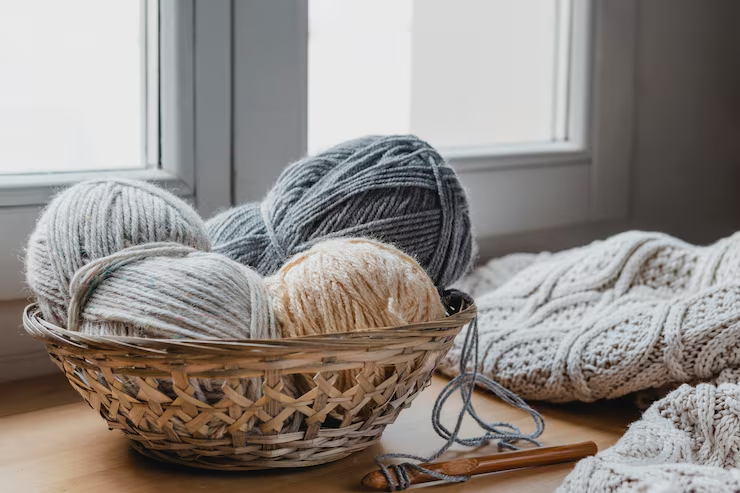
Welcome to your comprehensive guide to knitting yarn! Whether you’re a beginner knitter selecting yarn for your first scarf or an experienced knitter exploring new fiber blends, understanding yarn characteristics helps you choose the perfect materials for every project. From luxurious merino wool to practical acrylic blends, the right yarn transforms your knitting experience and determines your finished project’s appearance, drape, and durability.
Choosing yarn involves considering multiple factors: fiber content, weight, texture, color, and intended use. This guide walks you through yarn weights, fiber types, and how to match yarn to your project goals. Whether you’re knitting cozy sweaters, delicate lace shawls, or practical dishcloths, understanding yarn properties empowers you to make confident choices that bring your knitting visions to life.
Understanding Yarn Weights
Yarn weight refers to the thickness of yarn strand, not the actual weight of the skein. The Craft Yarn Council standardizes yarn weights into seven categories, making it easier to substitute yarns and predict gauge. Understanding these categories helps you choose appropriate yarn for your pattern and substitute yarns with confidence.
Category 0: Lace / Fingering
Knit Gauge (4″): 33-40 stitches
Needle Size: US 000-1
Best For: Lace shawls, delicate garments
Category 1: Super Fine / Sock
Knit Gauge (4″): 27-32 stitches
Needle Size: US 1-3
Best For: Socks, baby items, fine knits
Category 2: Fine / Sport
Knit Gauge (4″): 23-26 stitches
Needle Size: US 3-5
Best For: Light sweaters, baby blankets
Category 3: Light / DK
Knit Gauge (4″): 21-24 stitches
Needle Size: US 5-7
Best For: Everyday garments, accessories
Category 4: Medium / Worsted
Knit Gauge (4″): 16-20 stitches
Needle Size: US 7-9
Best For: Sweaters, afghans, most projects
Category 5: Bulky / Chunky
Knit Gauge (4″): 12-15 stitches
Needle Size: US 9-11
Best For: Quick projects, heavy blankets
Category 6: Super Bulky
Knit Gauge (4″): 7-11 stitches
Needle Size: US 11-17
Best For: Super quick knits, rugs
Category 7: Jumbo
Knit Gauge (4″): 6 stitches or fewer
Needle Size: US 17+
Best For: Arm knitting, statement pieces
Most Popular Yarn Weights
Worsted Weight (Category 4)
Why It’s Popular: The most versatile and widely used yarn weight, worsted offers the perfect balance of coverage, definition, and knitting speed. Most patterns are written for worsted weight, making it the default choice for sweaters, afghans, hats, and scarves.
Typical Projects: Adult sweaters, baby blankets, winter accessories, home décor, dishcloths
Knitting Speed: Medium pace that shows stitch definition clearly without taking excessive time
Availability: The widest color and fiber selection in any yarn weight
DK Weight (Category 3)
Why It’s Popular: Slightly lighter than worsted, DK (Double Knitting) creates fabric with beautiful drape while still being practical. Popular for garments that shouldn’t be too heavy or bulky.
Typical Projects: Spring/summer sweaters, cardigans, shawls, baby items, lightweight accessories
Knitting Speed: Slower than worsted but faster than fingering weight
Special Quality: Excellent stitch definition for textured patterns like cables and lace
Bulky Weight (Category 5)
Why It’s Popular: Perfect for instant gratification! Bulky yarn creates cozy, warm items quickly, making it ideal for last-minute gifts and beginner projects.
Typical Projects: Quick cowls, chunky blankets, warm hats, beginner scarves, super cozy sweaters
Knitting Speed: Very fast, great for impatient knitters
Considerations: Creates heavier fabric; may be too warm for year-round wear
Fingering / Sock Weight (Category 1)
Why It’s Popular: Creates delicate, lightweight fabric perfect for socks, shawls, and fine garments. While slower to knit, the resulting fabric has exceptional drape and detail.
Typical Projects: Socks, lace shawls, summer tops, intricate colorwork, baby garments
Knitting Speed: Slow but rewarding, requires patience
Special Quality: Shows colorwork and lace patterns with stunning clarity
Yarn Fiber Types
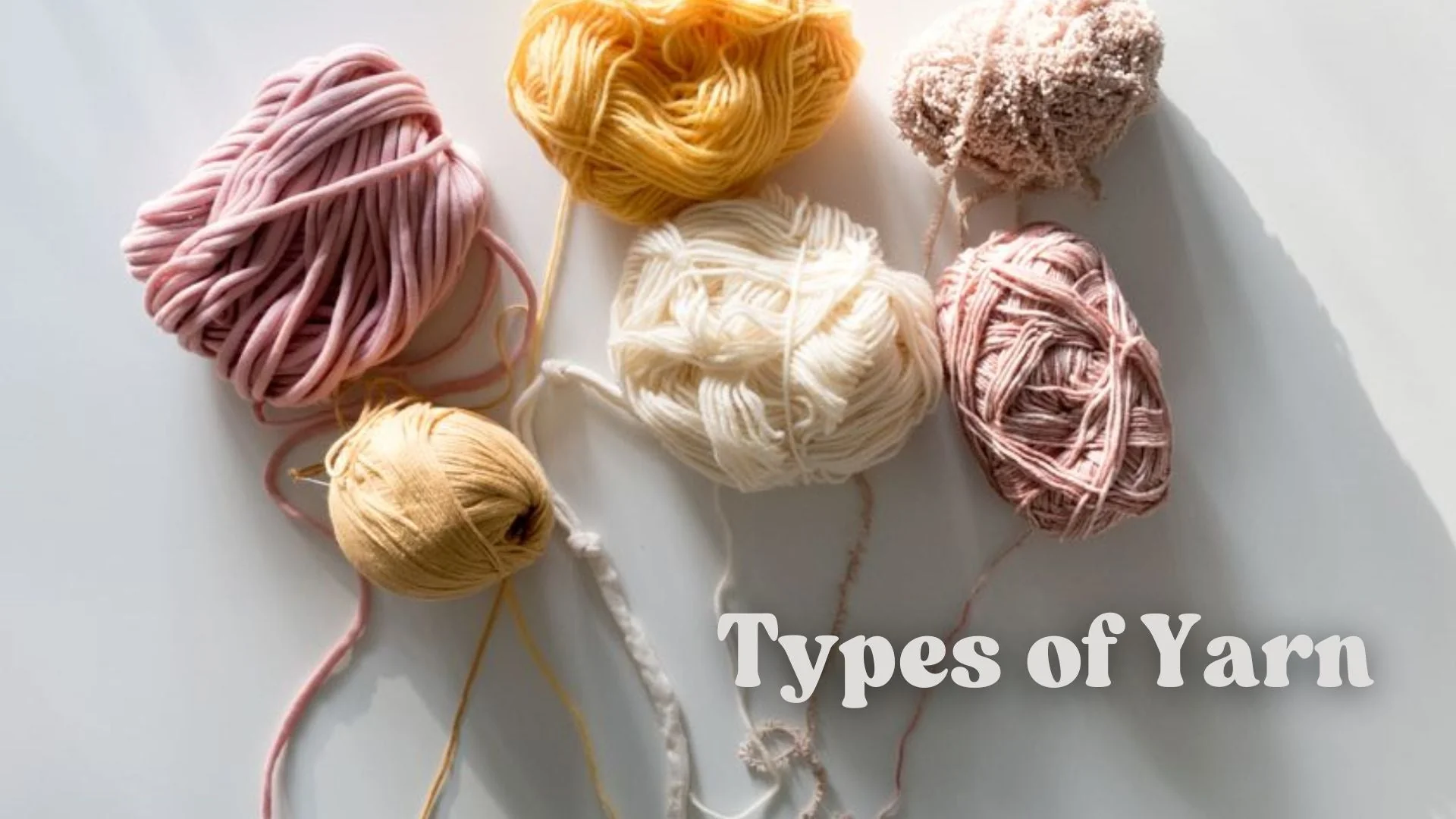
The fiber content of your yarn dramatically affects the finished project’s properties, including warmth, breathability, elasticity, durability, and care requirements. Understanding fiber characteristics helps you select yarn that performs well for your intended use.
Animal Fibers
Wool (Merino, Rambouillet, Blue-Faced Leicester)
Properties: Excellent warmth-to-weight ratio, natural elasticity, water-resistant, flame-resistant, breathable
Pros:
- Superior insulation keeps you warm without overheating
- Natural crimp provides elasticity and bounce
- Absorbs moisture without feeling damp
- Holds shape well in finished garments
- Blocks beautifully to even out stitches
- Available in every weight and color
Cons:
- Can be scratchy (varies by breed and processing)
- May cause allergic reactions in sensitive individuals
- Requires hand washing or gentle machine cycle
- Higher price point than synthetic alternatives
- Can pill with friction
Best For: Sweaters, hats, mittens, socks, winter accessories, blankets, any project requiring warmth and structure
Special Note: Merino wool is softer and less itchy than standard wool, making it popular for garments worn against skin
Alpaca
Properties: Extremely warm, silky soft, hypoallergenic, no lanolin, luxurious drape
Pros:
- Warmer than sheep’s wool by weight
- Incredibly soft, even softer than merino
- Hypoallergenic (no lanolin)
- Natural luster gives finished items a subtle sheen
- Comes in beautiful natural colors
- Excellent for sensitive skin
Cons:
- Less elastic than wool; garments may stretch
- Can be heavy in larger projects
- More expensive than wool
- May grow/relax over time without wool’s memory
Best For: Lightweight warm garments, scarves, shawls, luxury accessories, items for wool-sensitive people
Tip: Blend alpaca with wool or nylon to add elasticity and prevent stretching
Cashmere
Properties: Extremely soft, lightweight warmth, luxurious feel, fine fiber diameter
Pros:
- Unmatched softness and luxury
- Lightweight yet very warm
- Beautiful drape for elegant garments
- Less likely to irritate sensitive skin
Cons:
- Very expensive
- Delicate; requires extra care
- Pills easily with wear
- Limited elasticity
Best For: Special occasion garments, lightweight scarves, luxury accessories, heirloom pieces
Mohair
Properties: Fuzzy halo, lustrous, strong, excellent insulation, lightweight
Pros:
- Creates airy, warm fabric with distinctive fuzzy texture
- Natural luster and shine
- Very strong fiber; resists stretching
- Takes dye beautifully for vibrant colors
- Lightweight warmth
Cons:
- Fuzzy texture can obscure stitch definition
- Can shed initially
- More expensive than standard wool
- May feel scratchy to some
Best For: Lace shawls, fuzzy sweaters, accent yarns, lightweight warm garments
Plant Fibers
Cotton
Properties: Breathable, absorbent, machine washable, no elasticity, gets softer with washing
Pros:
- Excellent breathability for warm weather
- Machine washable and dryable
- Hypoallergenic and gentle on skin
- No animal products (vegan-friendly)
- Affordable and widely available
- Shows stitch definition clearly
- Improves with washing
Cons:
- No natural elasticity; garments can stretch
- Heavy when wet
- Doesn’t insulate when wet
- Can be hard on hands during knitting
- May split while working
Best For: Summer tops, dishcloths, baby items, market bags, washable home décor, warm-weather accessories
Tip: Look for mercerized cotton for extra strength and sheen
Bamboo
Properties: Silky soft, drapes beautifully, naturally antibacterial, eco-friendly, moisture-wicking
Pros:
- Incredibly soft with silk-like drape
- Naturally antimicrobial
- Excellent for sensitive skin
- Absorbs and wicks moisture well
- Renewable and sustainable resource
Cons:
- Very little elasticity
- Can stretch significantly over time
- May split while knitting
- Processing methods vary in environmental impact
Best For: Summer garments, scarves, shawls, baby items, items for sensitive skin
Linen
Properties: Strong, crisp, gets softer over time, highly absorbent, naturally antibacterial
Pros:
- Extremely durable and long-lasting
- Naturally resistant to moths and mildew
- Becomes softer and more beautiful with use
- Excellent for hot, humid climates
- Strong fiber that resists pilling
Cons:
- No elasticity; relaxes significantly
- Can be stiff initially
- Wrinkles easily (part of its charm)
- More expensive than cotton
- Can be hard on hands
Best For: Summer tops, market bags, dishcloths, home textiles, heirloom projects
Synthetic Fibers
Acrylic
Properties: Machine washable, inexpensive, widely available, lightweight, colorfast
Pros:
- Very affordable for large projects
- Machine washable and dryable
- Hypoallergenic (no animal fibers)
- Holds color brilliantly
- Lightweight and warm
- Resists moths and mildew
- Vegan-friendly
Cons:
- Can squeak while knitting
- May pill with wear
- Less breathable than natural fibers
- Doesn’t block as well as wool
- Can feel less luxurious
- Melts under high heat
Best For: Baby blankets, afghans, items requiring frequent washing, charity knitting, beginner projects, budget-conscious crafting
Quality Tip: Higher-quality acrylics feel softer and more natural than budget versions
Nylon
Properties: Extremely strong, elastic, quick-drying, abrasion-resistant
Usage: Rarely used alone; typically blended with other fibers (5-25%) to add strength and elasticity
Common Blends: Wool/nylon sock yarns, alpaca/nylon blends for structure
Benefits in Blends: Increases durability, adds memory and bounce, improves wear resistance, enhances shape retention
Best For: Socks, high-wear garments, items needing structure
Luxury & Specialty Fibers
Silk
Properties: Lustrous, strong, excellent drape, temperature-regulating, absorbs moisture
Pros:
- Beautiful natural sheen and luster
- Exceptional drape for elegant garments
- Surprisingly strong fiber
- Comfortable in various temperatures
- Takes dye for rich, vibrant colors
Cons:
- Expensive
- No elasticity
- Can be slippery to work with
- Requires careful washing
- May lose body over time
Best For: Special occasion garments, luxury shawls, lace projects, silk/wool blends
Angora
Properties: Extremely soft, fluffy halo, very warm, lightweight
Note: Often blended with wool or other fibers for stability and to reduce shedding
Best For: Accessories, accent yarns, luxury garments
Consideration: Ethical sourcing concerns; research producers carefully
How to Choose Yarn for Your Project
Selecting the right yarn involves considering your project type, desired properties, skill level, and budget. This decision framework helps you narrow options and make confident choices.
Match Yarn to Project Type
Sweaters & Cardigans
Best Fiber Choices: Wool, wool blends, alpaca blends, cotton for summer
Recommended Weights: DK, worsted, or bulky depending on desired thickness
Key Considerations:
- Choose fibers with natural elasticity (wool/wool blends) to maintain shape
- Consider garment weight and season
- Account for yardage needs (sweaters require significant yarn)
- Test gauge carefully for proper fit
- Consider care requirements (will you hand wash?)
Avoid: Non-elastic fibers like 100% cotton or bamboo for fitted sweaters (they’ll stretch)
Socks
Best Fiber Choices: Wool/nylon blends (75/25 typical), superwash merino, bamboo blends
Recommended Weights: Fingering weight (Category 1)
Key Considerations:
- Nylon content (20-30%) crucial for durability
- Superwash treatment allows machine washing
- Tighter gauge creates longer-lasting socks
- Consider self-striping yarns for visual interest
Why Nylon Matters: Pure wool socks wear through quickly at heels and toes; nylon reinforcement dramatically extends wear life
Baby Items
Best Fiber Choices: Superwash merino, cotton, acrylic, bamboo, soft wool blends
Recommended Weights: Sport, DK, or worsted
Key Considerations:
- Machine washability essential (busy parents need easy care)
- Softness critical for baby’s sensitive skin
- Avoid yarns with long fibers that could pose choking hazard
- Choose light colors that can be bleached if needed
- Hypoallergenic options preferred
Popular Choices: Acrylic for affordability and easy care, superwash merino for natural fiber softness with machine washing
Shawls & Scarves
Best Fiber Choices: Depends on style—wool for cozy, silk/mohair blends for lace, alpaca for drape
Recommended Weights: Lace to worsted depending on desired drape and warmth
Key Considerations:
- Lace shawls benefit from fibers that block well (wool, alpaca, silk blends)
- Infinite scarves need drape (alpaca, silk blends)
- Winter scarves prioritize warmth (wool, wool blends)
- Consider if you want stitch definition or soft halo effect
Blankets & Afghans
Best Fiber Choices: Acrylic, cotton, wool, or blends
Recommended Weights: Worsted or bulky for faster progress
Key Considerations:
- Acrylic excels for machine washability and affordability
- Cotton works for lightweight summer blankets
- Wool provides warmth without weight
- Calculate yardage carefully (blankets require large quantities)
- Buy all yarn from same dye lot
- Consider project duration (bulkier weights finish faster)
Dishcloths & Washcloths
Best Fiber Choices: 100% cotton (essential for absorbency)
Recommended Weights: Worsted weight
Why Cotton: Absorbs water excellently, machine washable/dryable, gets softer with use, naturally antibacterial when dried properly
Avoid: Any fiber with synthetic content (won’t absorb properly)
Consider Care Requirements
Care Requirement Questions
- Will this item be washed frequently? Choose machine-washable options (superwash wool, acrylic, cotton)
- Can you commit to hand washing? Non-superwash wool and delicate fibers need gentle hand care
- Is this a gift? Consider recipient’s lifestyle; busy people need machine-washable options
- High-wear item? Choose durable fibers with nylon reinforcement
- Heirloom piece? Natural fibers age beautifully; worth extra care
Budget Considerations
Yarn costs vary dramatically by fiber content. Plan your budget appropriately:
- Budget-Friendly: Acrylic ($3-6 per skein), cotton ($4-7 per skein)
- Mid-Range: Wool ($7-12 per skein), superwash merino ($8-15 per skein)
- Premium: Alpaca ($12-20 per skein), wool/silk blends ($15-25 per skein)
- Luxury: Cashmere ($20-50+ per skein), pure silk ($25-60+ per skein)
Money-Saving Tips:
- Buy during sales and stock up on favorites
- Join loyalty programs for discounts
- Consider yarn weight carefully (bulky yarns finish faster, reducing time investment)
- For large projects, calculate total cost before starting
- Reserve luxury fibers for small, special projects where they’ll be most appreciated
Yarn Care & Maintenance
Proper care extends the life and beauty of your handknit items. Different fibers require different care approaches, so always check yarn labels for specific instructions.
Reading Yarn Labels
Yarn labels contain critical information beyond fiber content:
- Fiber Content: Percentage of each fiber
- Weight/Yardage: How much yarn in the ball
- Dye Lot: Color batch number (buy matching lots)
- Recommended Gauge: Stitches/rows per 4 inches
- Recommended Needle Size: Starting point for gauge
- Care Instructions: Washing and drying symbols
Washing Handknits
Hand Washing (Best for Most Natural Fibers)
Instructions:
- Fill basin with cool/lukewarm water (not hot)
- Add wool wash or gentle detergent
- Submerge item and gently squeeze water through (no agitation)
- Soak 10-15 minutes
- Drain and refill with clean rinse water
- Gently squeeze out excess water (never wring or twist)
- Roll in towel to remove more moisture
- Lay flat to dry on clean towel, reshaping to original dimensions
Frequency: Wash only when necessary; over-washing stresses fibers
Machine Washing (Superwash Wool, Acrylic, Cotton)
Instructions:
- Use mesh laundry bag for protection
- Select gentle or delicate cycle
- Use cool water
- Use wool-safe or gentle detergent
- Lay flat to dry (machine drying can cause shrinkage)
Note: Even superwash wool benefits from gentle treatment
Storage Tips
- Clean before storing: Dirt and oils attract moths
- Fold, don’t hang: Hanging stretches knits; fold and store flat
- Use cedar or lavender: Natural moth deterrents
- Breathable storage: Cotton bags or cardboard boxes (not plastic)
- Climate control: Cool, dry location away from sunlight
- Regular checks: Air out seasonally and inspect for moths
Dealing with Common Issues
Pilling
Cause: Friction causing short fibers to ball up on surface
Solution: Use fabric shaver or sweater stone to gently remove pills
Prevention: Choose tightly twisted yarns, avoid excessive friction, turn garments inside out when washing
Stretching
Cause: Fibers without elasticity (cotton, bamboo, alpaca) relax over time
Solution: Wash and block to original dimensions
Prevention: Choose elastic fibers for fitted garments, add ribbing at edges for structure
Felting/Shrinkage
Cause: Agitation and heat cause wool fibers to lock together
Prevention: Use cool water, avoid agitation, never put non-superwash wool in machine
Note: Felting is permanent and cannot be reversed
Yarn Selection Tips & Tricks
Essential Yarn Shopping Tips
- Touch everything: Hand feel matters; spend time squishing yarn before buying
- Check twist: Tightly twisted yarns are more durable but less soft; loosely twisted are softer but pill more
- Read reviews: Other knitters’ experiences reveal how yarn performs
- Buy from same dye lot: Color variation between lots can be significant
- Purchase extra: Better to have leftover than run short mid-project
- Consider substitutions carefully: Matching fiber content AND weight crucial for pattern success
- Swatch before committing: Knit gauge swatch before buying all yarn
- Join Ravelry: Free resource with yarn reviews, project examples, and community knowledge
Building a Yarn Stash
Many knitters maintain a “stash” of yarn for future projects. Strategic stash building:
- Stock basics: Keep worsted weight wool in neutral colors for quick projects
- Buy sale yarns: Stock up during sales on yarns you love
- One-skein projects: Buy single skeins of luxury yarns for small projects
- Coordinate colors: Buy coordinating yarns that work together for future colorwork
- Organize effectively: Sort by weight, fiber, or color for easy project planning
- Track inventory: Use Ravelry or spreadsheet to remember what you have
- Rotate stock: Use older yarn first to prevent aging
Substituting Yarns
Pattern calls for unavailable yarn? Substitution guidelines:
Successful Substitution Checklist
- Match weight category: Same numbered category essential
- Match gauge: Must achieve same stitches/rows per 4 inches
- Similar fiber content: Fiber properties affect drape and care
- Calculate yardage: Match total yards/meters, not just number of balls
- Consider texture: Smooth vs. fuzzy affects pattern visibility
- Swatch first: Always test substitute yarn before starting
- Check reviews: See if others substituted successfully
Start Your Knitting Journey
Understanding yarn transforms your knitting experience from guesswork to confident creativity. With knowledge of fiber properties, yarn weights, and appropriate applications, you can choose yarns that bring your projects to life exactly as envisioned. Whether you’re knitting a cozy wool sweater, a lightweight cotton summer top, or luxurious silk accessories, the right yarn makes all the difference.
Start with projects that match your skill level and gradually experiment with new fibers and weights as you gain experience. Every knitter develops personal preferences—you might discover you love the springy feel of wool, prefer the drape of alpaca, or appreciate acrylic’s easy care. The journey of discovering your favorite yarns is part of knitting’s joy.
Explore our complete selection of knitting and crochet supplies and inspiration. Browse fabric options for other crafting needs, discover craft project ideas to use your yarn, explore crochet supplies if you work with hooks, and find essential craft supplies for your creative journey. For holiday knitting inspiration, check out our Christmas crafts guide.
Happy knitting, and may your needles always find the perfect yarn!